Most of us do not think much about the wiring behind our walls. We flip a switch, the light comes on, and we carry on with our day. But when something starts buzzing, flickering, or tripping, that hidden wiring can suddenly feel like a big concern.
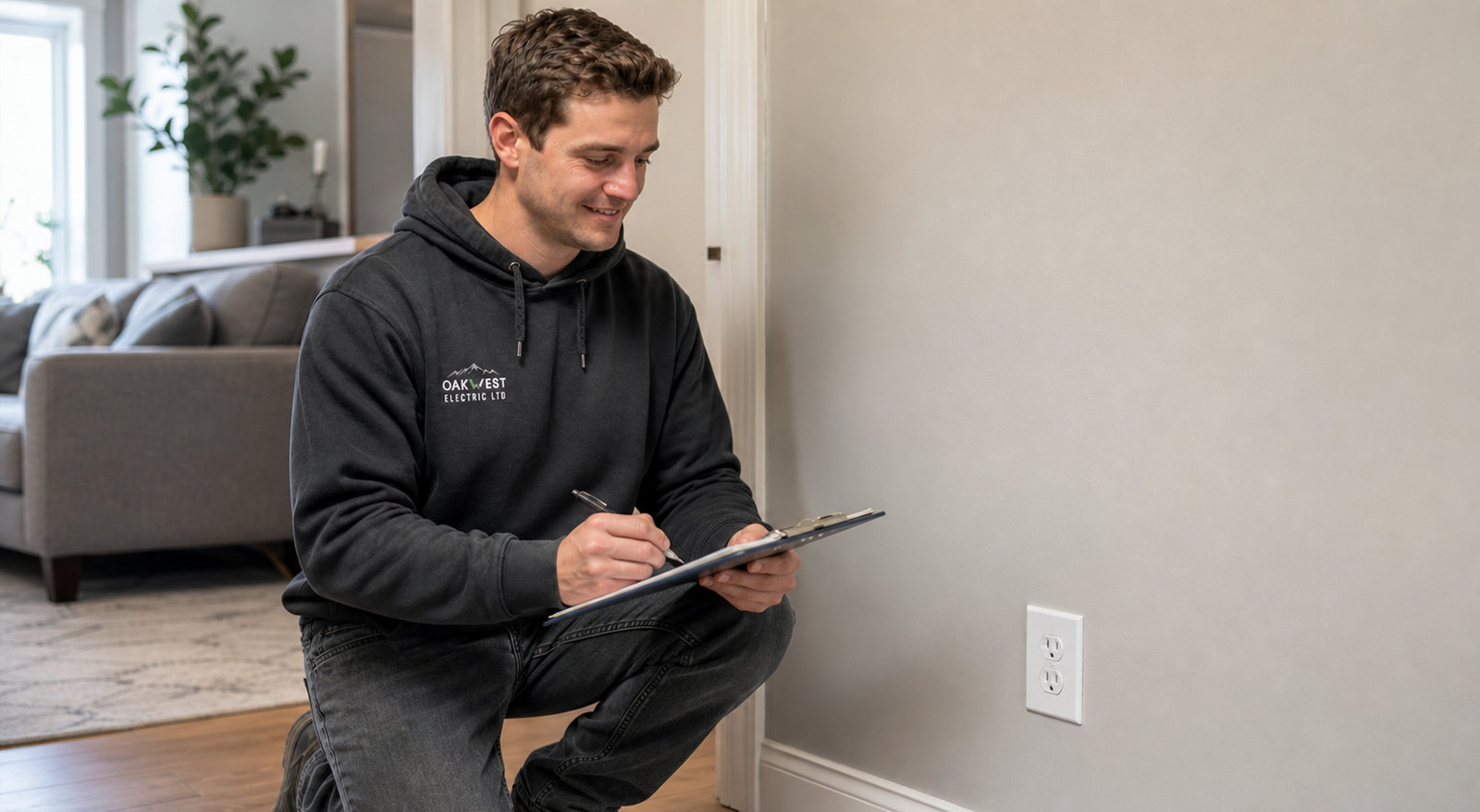
A home electrical inspection gives you a clear look at the condition of your electrical system. A licensed electrician checks the panel, circuits, outlets, switches, grounding, and other key parts of the system. The goal is to find worn parts, unsafe work, and other problems before they become more serious.
So, when should you book one? Here are seven times an electrical inspection makes good sense.

1. You Are Buying an Older Home
Buying a home is exciting, but it is also a big investment. If the house is older, an electrical inspection can help you understand what you are getting into before you take possession.
Older homes may have wiring, panels, or outlets that were installed many years ago. Some systems still work but may not be a good fit for the amount of power a modern family uses. Older homes may also have past electrical work that was done without a permit or by someone who was not qualified.
A standard home inspection may point out visible electrical concerns. However, a home electrical inspection goes deeper. An electrician can look for outdated wiring, poor connections, overloaded circuits, missing grounding, damaged equipment, and signs of unsafe repairs.
That information can help you plan future upgrades. It may also give you something important to discuss with the seller before the sale is complete.
2. Your Home Is Getting Older
You do not need to wait for something to go wrong. If your home is several decades old and the electrical system has never had a full safety check, now may be a good time.
Wiring and electrical parts can wear down over time. Connections may loosen. Panels can become crowded as new circuits are added. Old outlets may no longer hold plugs well. In some homes, the electrical system was built for a time when families owned far fewer devices and appliances.
An electrical safety inspection can tell you what is still in good shape and what may need attention. That does not mean every older home needs a full rewiring job. Often, there are smaller updates that can improve safety and make the system easier to use.
Think of it like a checkup for your home. Finding a small issue now is usually better than finding it after the power goes out.
3. Breakers Keep Tripping or Fuses Keep Blowing
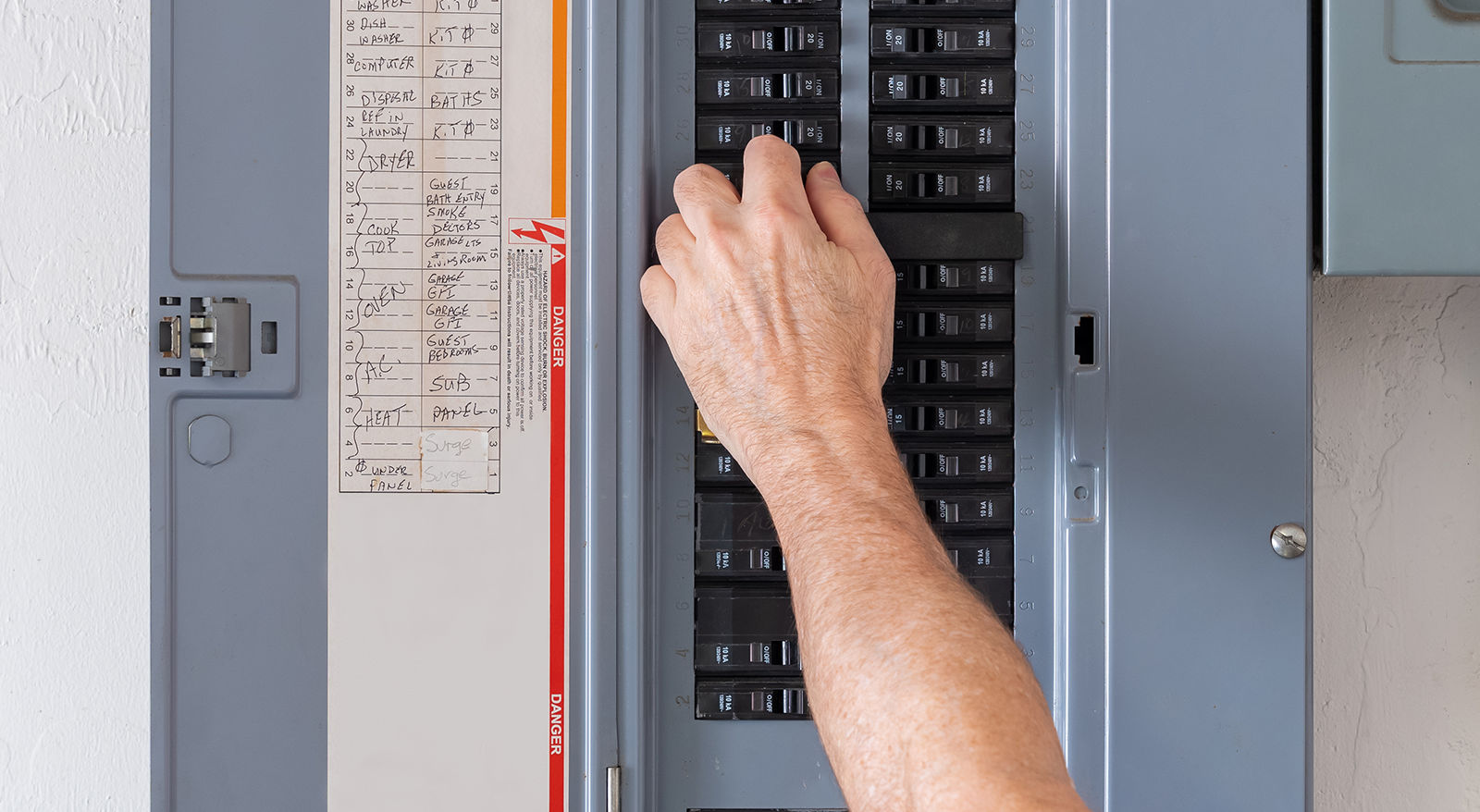
A breaker that trips once may simply be doing its job. Maybe too many items were running on the same circuit. But if breakers trip again and again, there is likely a reason.
The circuit may be overloaded. An appliance could be failing. There may be a loose connection, damaged wiring, or a problem inside the electrical panel. Resetting the breaker each time does not fix the cause.
Other warning signs include:
- Lights that flicker or dim
- Outlets or switches that feel warm
- Buzzing or crackling sounds
- A burning or hot-plastic smell
- Sparks when you plug something in
- Plugs that fall out of outlets
- Power that cuts out in part of the home
If you notice heat, smoke, sparks, or a burning smell, stop using that part of the system and call a licensed electrician promptly. For ongoing but less urgent problems, an electrical inspection can help track down the cause and show you what needs to be repaired.
4. You Are Planning a Renovation
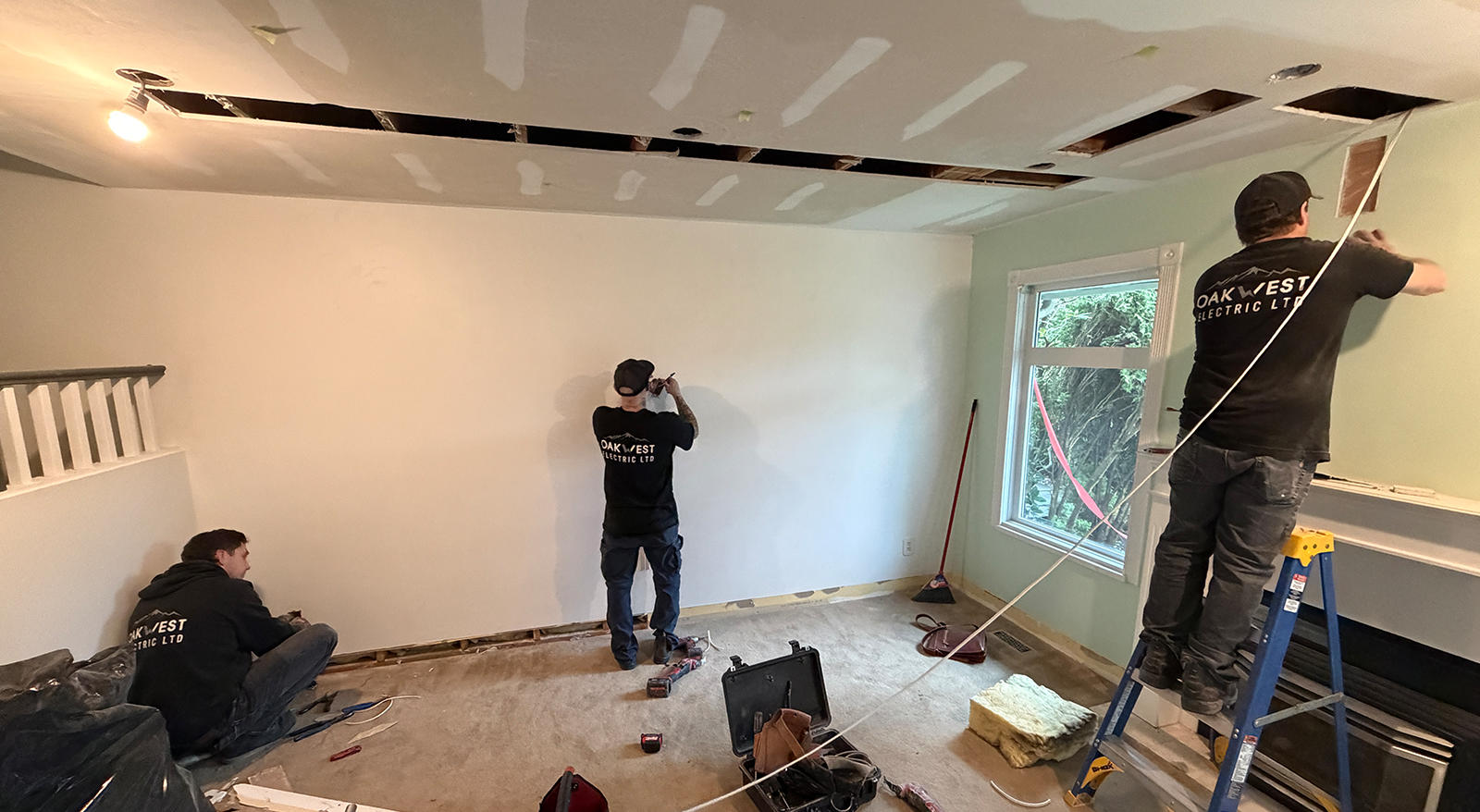
Renovations are a great time to take a closer look at your home’s wiring. This is especially true when you are opening walls, changing a kitchen, finishing a basement, adding a bathroom, or building a home office.
An electrician can check whether the current panel and circuits can handle the plan. They can also spot old or damaged wiring while it is easier to reach. This may help you avoid delays once construction begins.
Many electrical changes in B.C. require a permit. The Province of British Columbia explains that changes to existing electrical connections may need the proper permits to meet safety rules. It also notes that Surrey handles its own electrical permits, while permits in many other areas are handled by Technical Safety BC. You can read more on the province’s building and renovation permit page.
If you are in Langley or Surrey, ask your electrician who will issue the permit and what inspections will be required. It is much easier to sort this out before the work starts.
5. You Are Adding a Major Appliance or EV Charger
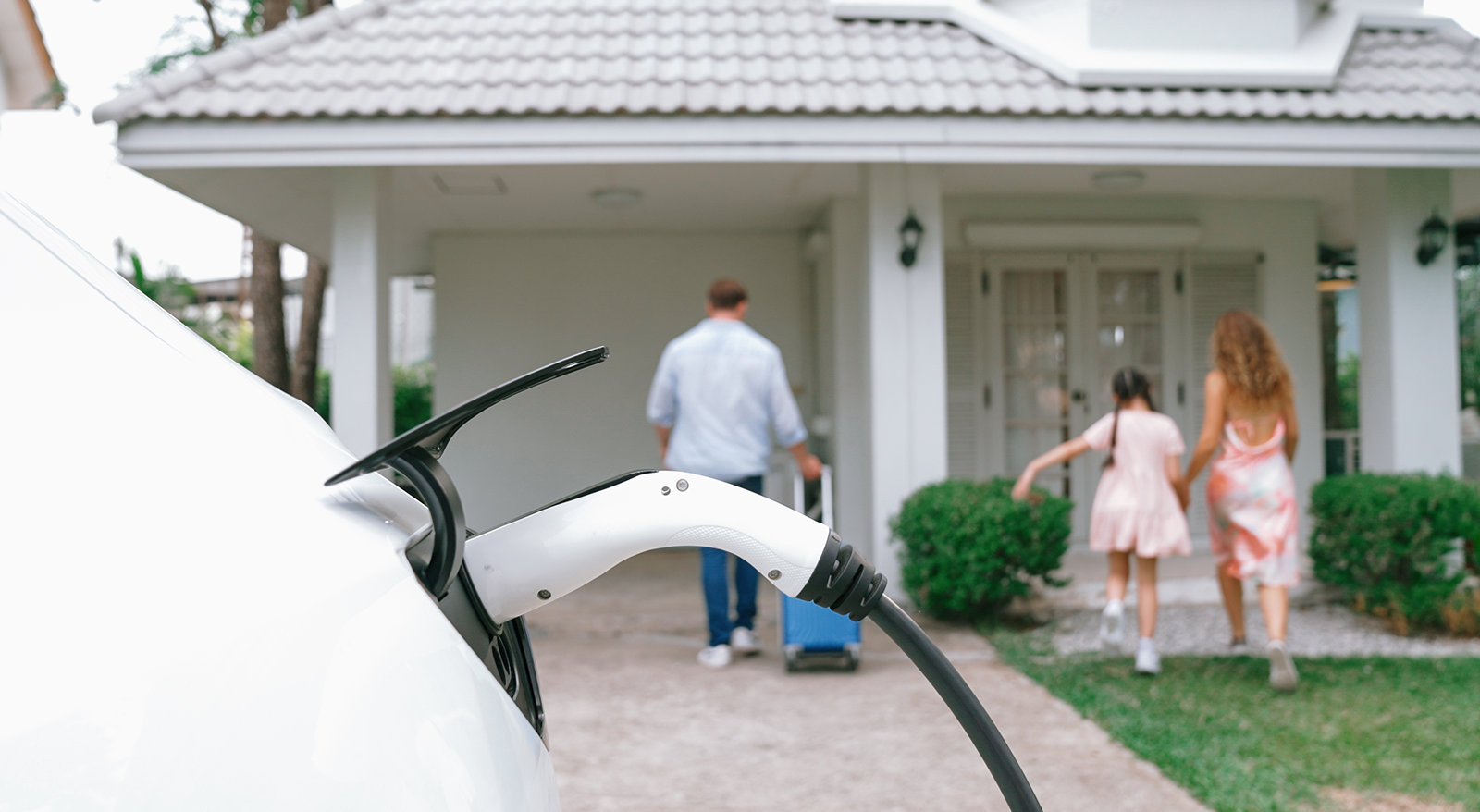
A new hot tub, heat pump, air conditioner, electric range, dryer, or EV charger can place a large new load on your electrical system.
Before the installation, an electrician should confirm that your service, panel, and wiring can safely support the added demand. Sometimes there is enough room and capacity. Other times, the panel needs changes or the home may need a service upgrade.
This check is especially helpful if your panel is already full or you have noticed dimming lights and tripped breakers.
Technical Safety BC says permits are often required for home electrical additions and alterations, including permanently installed equipment such as heat pumps and dishwashers. Its homeowner electrical permit guide also explains that a licensed contractor will normally apply for the permit when you hire one.
A little planning before buying the equipment can prevent a frustrating surprise on installation day.
6. Your Home Has Had Water, Fire, or Storm Damage
Water and electricity do not mix. If your basement has flooded, your roof has leaked near wiring, or water has entered outlets or the electrical panel, do not assume everything is fine once it dries.
Moisture can damage wires, outlets, breakers, and connections. That damage may not always be easy to see. Fire, smoke, and high heat can also harm wiring behind walls.
Strong windstorms and falling trees can damage the service connection outside the home. A nearby lightning strike or power surge may affect electrical equipment as well.
After any of these events, an electrical safety check can help confirm which parts are safe and which parts should be replaced. If there is standing water near electrical equipment, stay away and call for professional help.
7. You Are Selling Your Home or Want Peace of Mind
An electrical inspection can also be useful before listing your house. It gives you time to deal with electrical concerns before a buyer’s inspection brings them up.
You may have lived with a loose outlet, a crowded panel, or an odd switch for years. To a buyer, those little issues can raise bigger questions. Taking care of them early can make the selling process smoother.
You do not have to be selling, though. Sometimes peace of mind is reason enough. Maybe you recently moved in. Maybe you are caring for an aging parent. Or perhaps you simply do not know when the system was last checked.
A home electrical system inspection gives you a clearer picture. You will know what is safe, what should be watched, and what needs to be fixed.
What Happens During an Electrical Inspection?
The exact process depends on your home and the reason for the visit. In general, the electrician may check:
- The main electrical panel and breakers
- Visible wiring and connections
- Outlets and switches
- Grounding and bonding
- GFCI protection near water
- Smoke and carbon monoxide alarm locations
- Signs of overheating or overloaded circuits
- Previous electrical additions or repairs
- The system’s ability to support planned upgrades
After the inspection, the electrician should explain what they found in plain language. They can help you understand which items need quick action and which ones can be planned for later.
Let’s Make Sure Your Home Is Safe
An electrical inspection is not only for homes with obvious problems. It can be a smart step when you buy an older property, plan a renovation, add a large appliance, notice repeat electrical trouble, or simply want to know your system is safe.
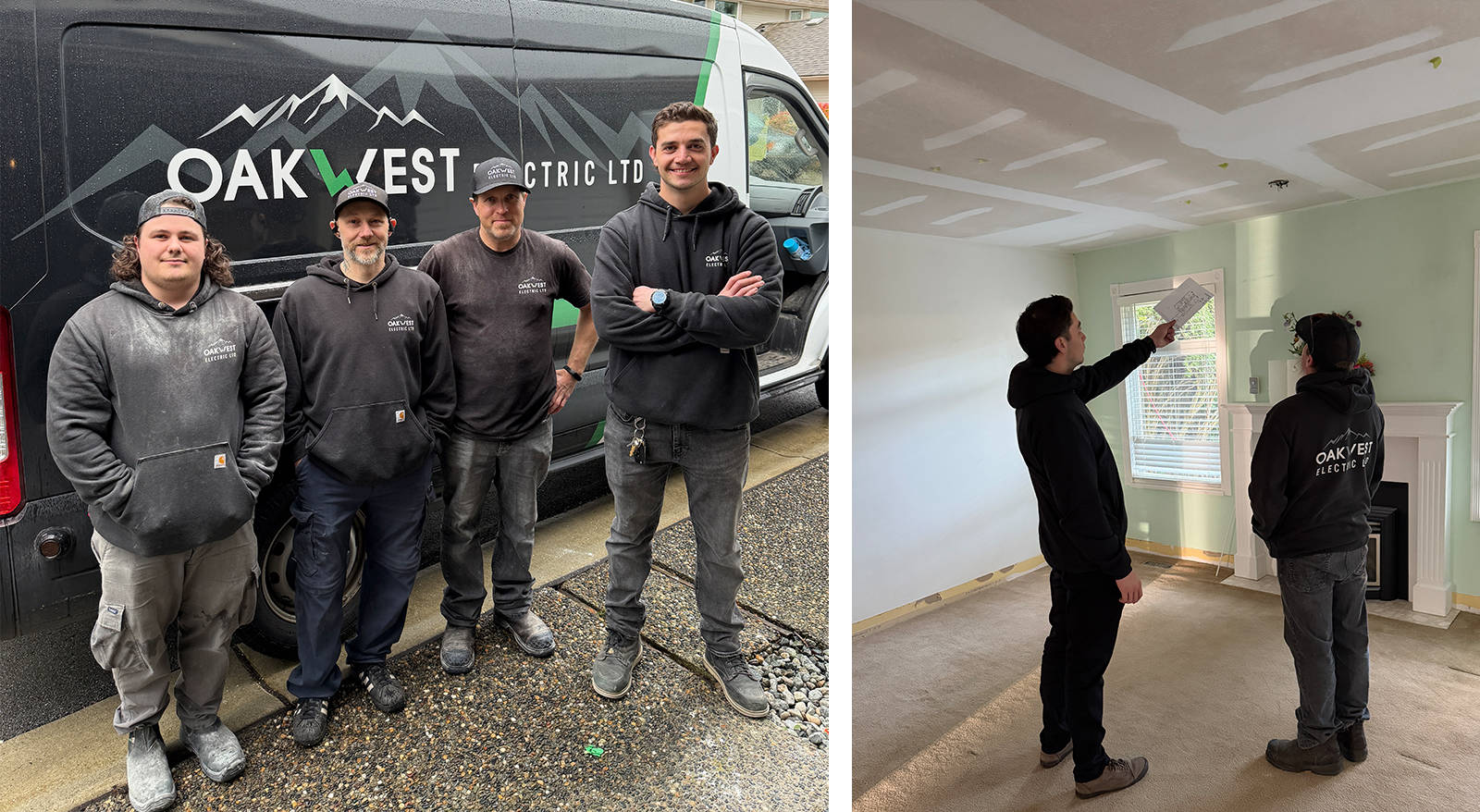
If you are looking for a licensed electrician in Langley or need an electrical inspection in Surrey, Oakwest Electric is here to help. We will take a careful look, explain what we find, and give you practical advice without making things more complicated than they need to be.
Not sure whether your home needs an inspection? Give us a call. A quick conversation is often all it takes to figure out the right next step.
Book Your Electrical Inspection Today
Not sure if your home’s electrical system is safe or ready for an upgrade? Oakwest Electric can help. We provide thorough electrical inspections for homeowners in Langley, Surrey, and nearby communities. We’ll explain what we find in everyday language and recommend practical next steps. Contact Oakwest Electric today to book your inspection.