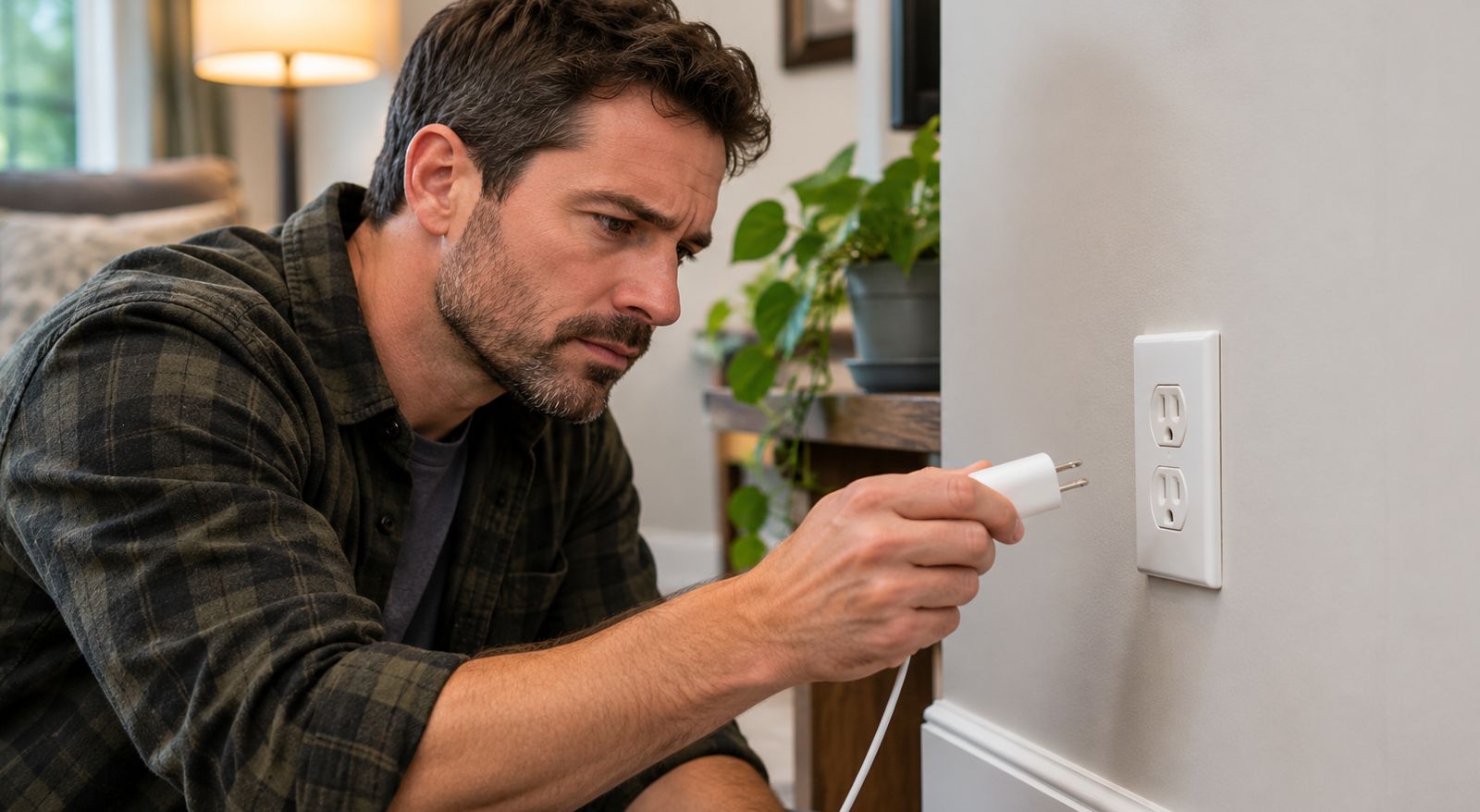
You plug in your phone charger, and nothing happens. You try another charger. Still nothing. Maybe you even grab a lamp from across the room, just to make sure.
Yep. That outlet has officially stopped cooperating.
Having an electrical outlet not working can be frustrating, especially when everything else in the room seems fine. Sometimes the cause is simple, like a tripped breaker. Other times, it could be a wiring problem that needs professional attention.
Let’s look at what might be happening, what you can safely check yourself, and when it’s time to call an electrician.
First, Is It Really the Outlet?
Before assuming the outlet has failed, try plugging your device into another outlet that you know works. If it powers up, you’ve narrowed down the problem.
Next, check whether other outlets or lights in the room are working. If several have lost power, the issue may affect the whole circuit.
And don’t forget about wall switches! Some homes have switched outlets, especially in bedrooms and living rooms. Someone may have flipped a switch without realizing it controls the outlet.
If those quick checks don’t solve the mystery, here are some common causes.
1. A GFCI Outlet Has Tripped
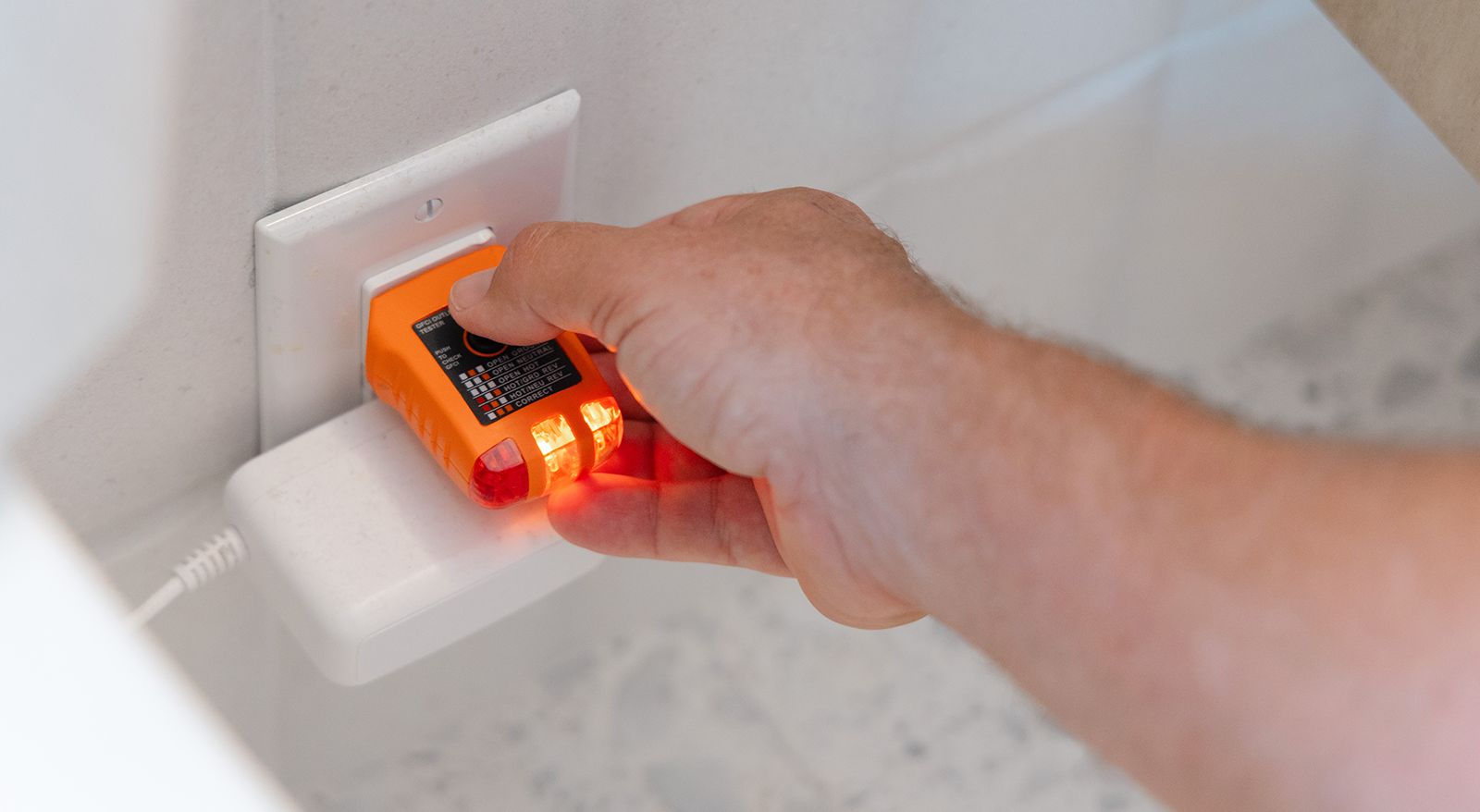
This is one of the first things to check when you have an electrical outlet not working.
GFCI stands for Ground Fault Circuit Interrupter. These outlets help protect against electrical shocks by shutting off power when they detect certain electrical faults.
You’ll often find them in bathrooms, kitchens, garages, and outdoor areas.
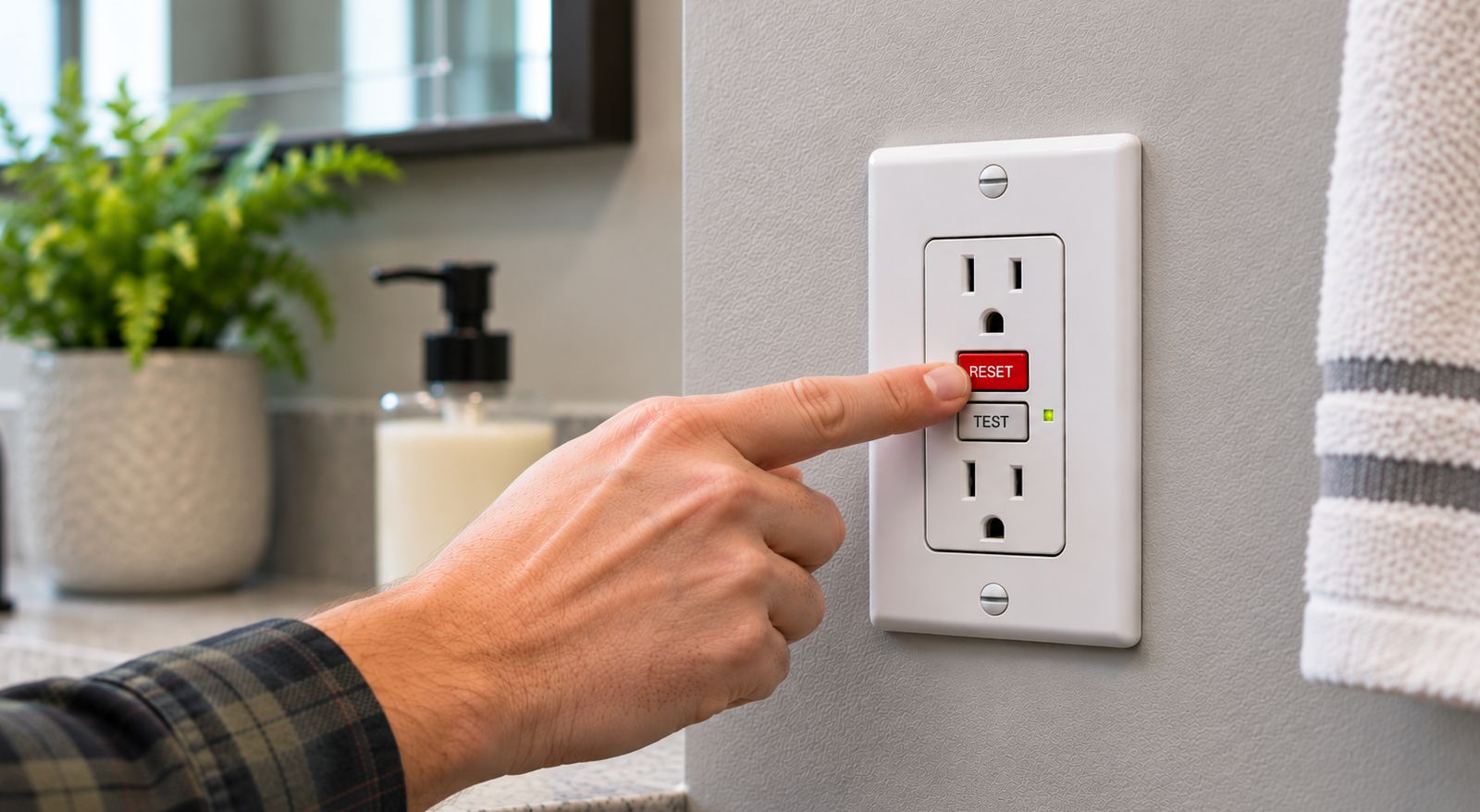
A GFCI outlet usually has two buttons labelled TEST and RESET. When it trips, it can shut off power to other outlets connected to the same protection.
Here’s something that surprises homeowners: the GFCI controlling your dead outlet might be in another room.
If you find a tripped GFCI and there are no signs of damage or moisture, try pressing RESET once.
If it trips again or won’t reset, leave it alone. There may be an electrical fault that needs investigating.
2. A Circuit Breaker Has Tripped
Your electrical panel is another good place to check.
Circuit breakers shut off power when they detect an overload or certain electrical faults. Maybe you had a portable heater, vacuum, and another appliance running on the same circuit.
Or perhaps there’s a problem with the wiring or something plugged into it.
If you’re dealing with an electrical outlet not working, check your panel for a tripped breaker. It may sit between ON and OFF, although some breakers move fully to OFF.
If the panel is dry, undamaged, and safe to access, you can reset the breaker once by switching it fully OFF and then ON.
If it trips again, leave it off and call an electrician. Repeatedly resetting it won’t fix the underlying problem.
3. The Outlet Has Worn Out
Electrical outlets don’t last forever.
Over time, the internal contacts that hold a plug can loosen or wear down. This happens more often with outlets that get used frequently, like those behind kitchen counters or beside your favourite chair.
You might notice plugs slipping out easily, devices losing power when moved, or an outlet that works only sometimes.
These are signs that the receptacle may need replacing.
A licensed electrician can check the outlet, inspect the wiring, and install a suitable replacement.
4. There’s a Loose Wiring Connection
Here’s where things can get more serious.
Behind every outlet are electrical connections that allow power to flow through the circuit. If one becomes loose or damaged, the outlet may stop working.
Sometimes the problem affects one receptacle. Other times, it interrupts power to several outlets farther along the circuit.
Loose connections can also cause overheating or electrical arcing.
If your electrical outlet stopped working after flickering, buzzing, or cutting in and out, a wiring connection could be responsible.
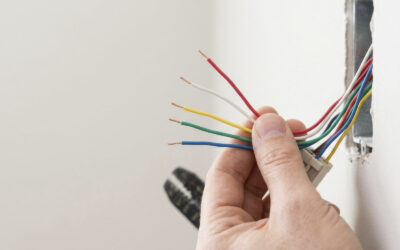
Don’t remove the cover and start investigating. Even when an outlet appears dead, wires inside the box may still be energized.
An electrician can safely test the circuit, locate the problem, and make the necessary repairs.
5. Moisture Has Affected the Outlet
Water and electricity are a terrible combination.
Moisture can cause problems with outlets outdoors, in garages, near sinks, or anywhere exposed to leaks or condensation.
Sometimes it causes a GFCI to trip. In other cases, moisture can damage the receptacle or its connections.
If you have an electrical outlet not working after heavy rain, a plumbing leak, or water entering an outdoor electrical box, don’t use it.
Avoid trying to dry it with a hair dryer or repeatedly resetting the circuit. Have an electrician check the outlet and determine whether anything needs replacing.
6. The Problem Is Somewhere Else on the Circuit
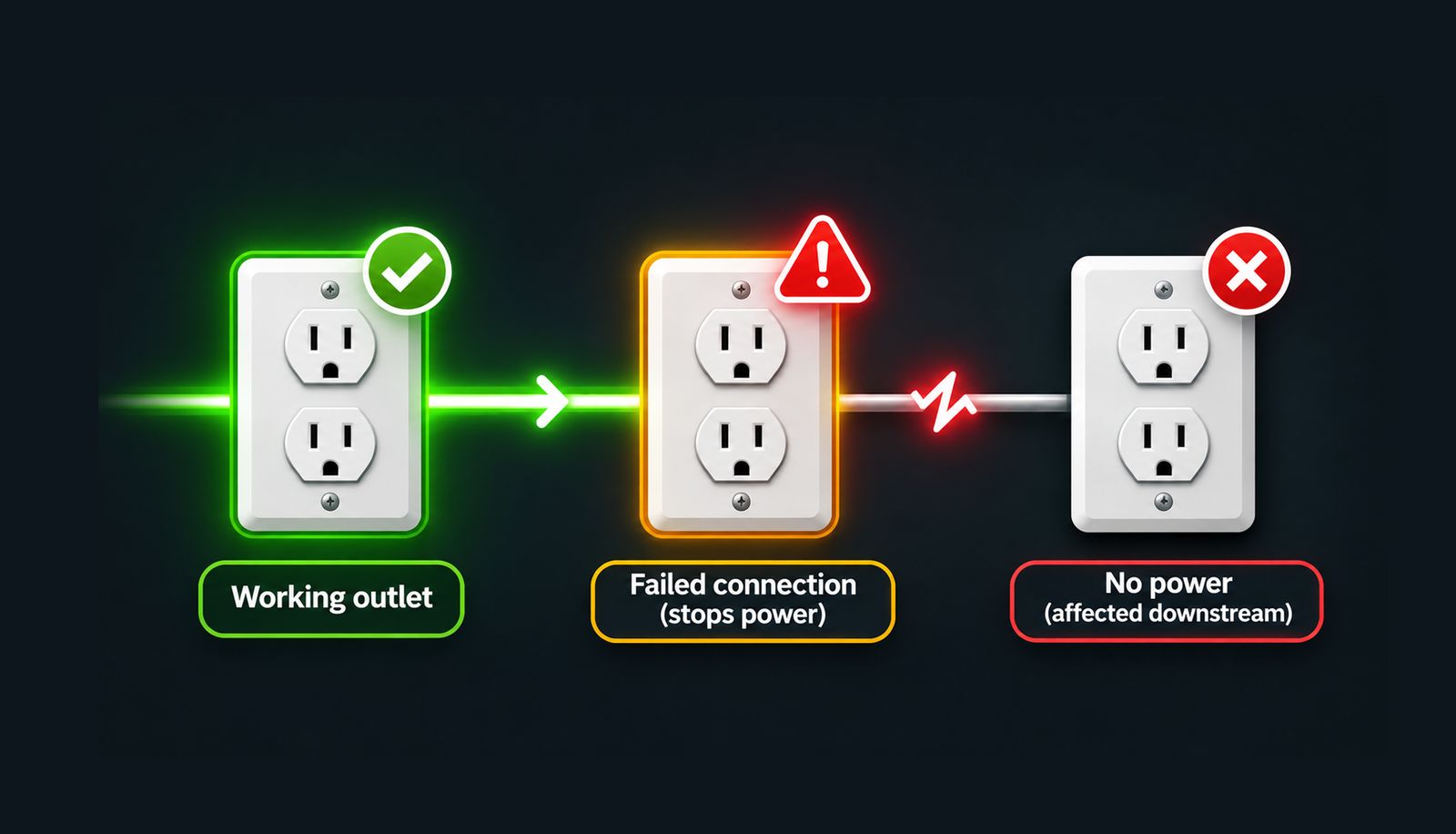
Here’s another electrical mystery: the outlet without power isn’t always where the problem started.
Several outlets can share one circuit, with wiring connections passing through multiple electrical boxes.
If a connection fails at one location, it can affect outlets farther along the circuit.
That’s why one outlet might work perfectly while another nearby has no power.
An electrician can trace the circuit and find where the power is being interrupted.
When Should You Stop Troubleshooting?
Checking an appliance, wall switch, GFCI, or breaker is reasonable. Opening electrical boxes and testing wiring is another matter.
If you notice a burning smell, scorch marks, buzzing, sparks, or an outlet that feels hot, stop using it immediately.
The same applies if a breaker keeps tripping or the outlet repeatedly loses power.
If you can safely shut off the affected circuit, do so and arrange an inspection. If there’s smoke or fire, get everyone outside and call emergency services.
For additional electrical safety information, Technical Safety BC offers helpful guidance for BC homeowners.
Should You Replace a Dead Outlet Yourself?
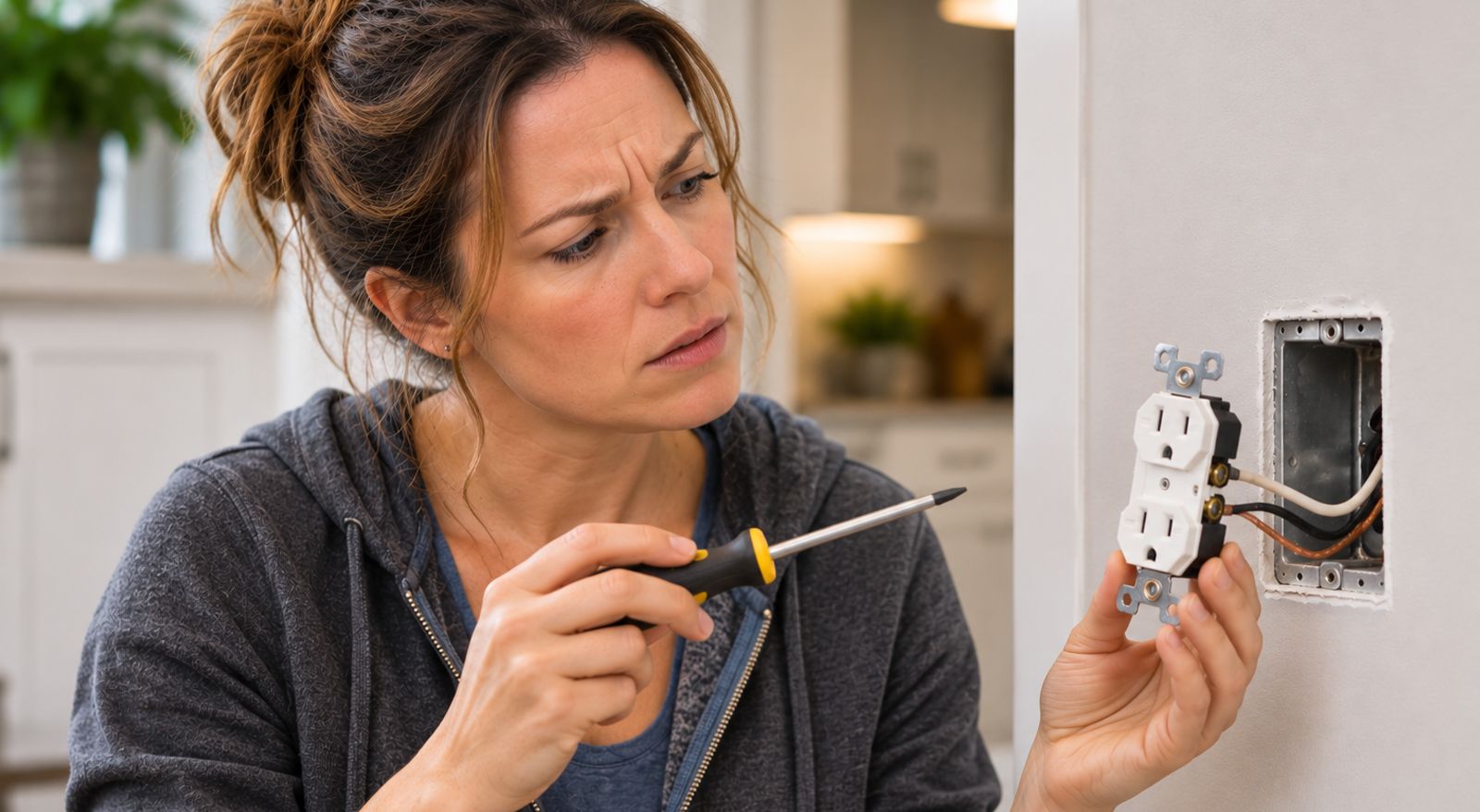
Replacing a receptacle might look straightforward, but there’s more involved than connecting a few wires.
The condition of the wiring, circuit rating, grounding, and type of outlet all matter. Older homes can also have electrical conditions that make a simple replacement more complicated.
A professional electrical repair can address the cause rather than just replacing a part that may not be the problem.
And if you’re experiencing several electrical issues around your home, it may be worth arranging a home electrical inspection to get a clearer picture of your system’s condition.
Let’s Get That Outlet Working Again
An electrical outlet not working doesn’t always mean there’s a major problem. Sometimes it’s a tripped GFCI or breaker. Other times, there’s a worn-out receptacle or wiring issue that needs attention.
At Oakwest Electric, we help homeowners throughout Langley and the Fraser Valley find the cause, understand their options, and get their electrical systems working safely again.
Got an outlet that’s stopped working? Contact Oakwest Electric and let’s get it sorted out.