
The Renovation You Can’t See (But Shouldn’t Ignore)
There’s something special about a heritage home. The craftsmanship, the character, the sense that the space has a story behind it. In the Lower Mainland, these homes are often some of the most desirable properties on the market.
And when it comes time to renovate, most of the attention naturally goes to what you can see. Kitchens get updated, floors are refinished, layouts are opened up. The focus is on how the home looks and how it feels to live in.
But there’s another layer to renovation that doesn’t get nearly the same attention, and it’s often the one that matters most.
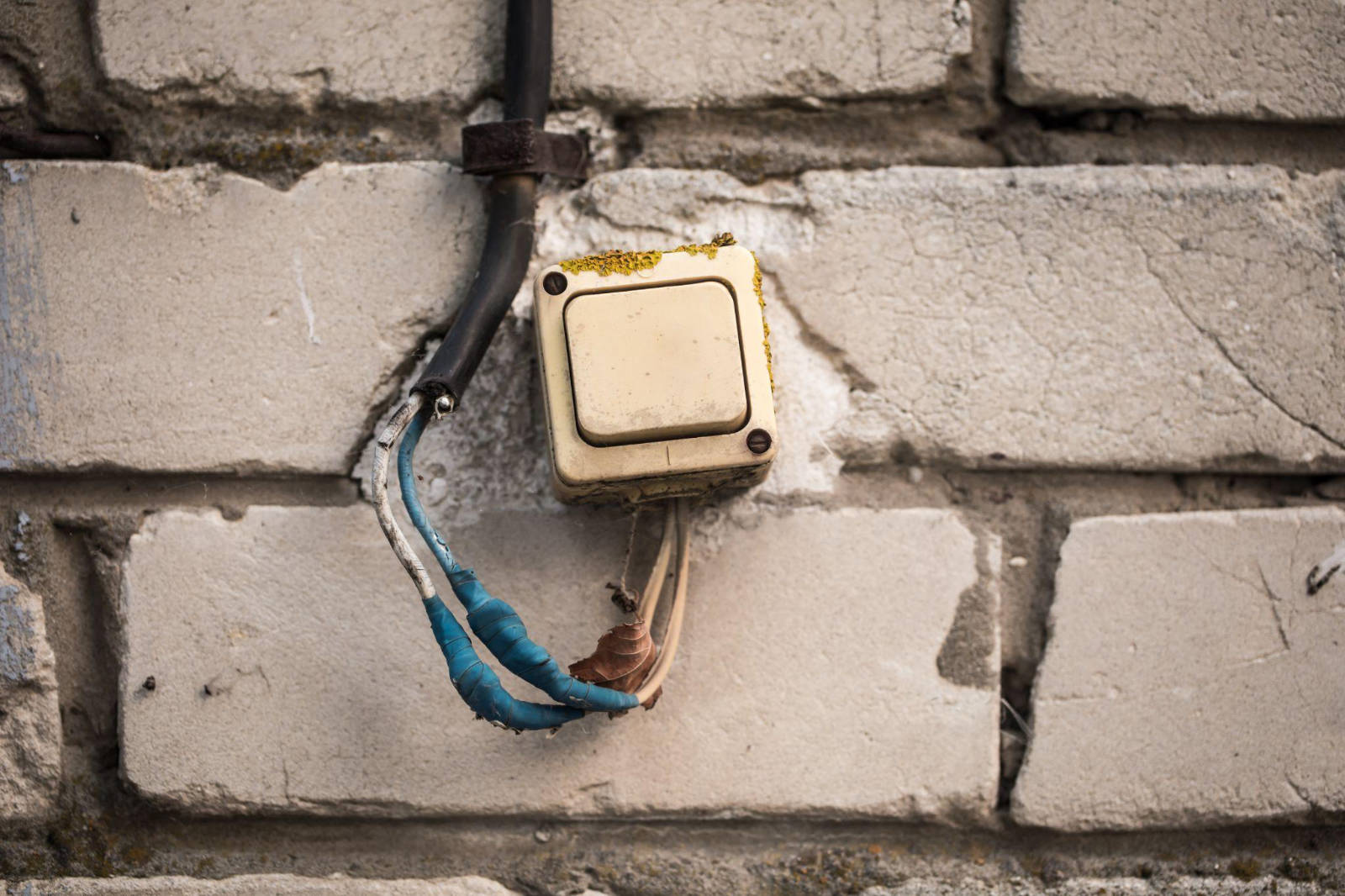
Behind the walls, older electrical systems are still doing the work they were designed for decades ago, long before modern appliances, home offices, or high-demand systems were part of daily life. That’s where heritage home rewiring comes in. It doesn’t change the look of your home, but it fundamentally changes how safely and reliably it functions.
It’s the kind of upgrade you don’t see, but once it’s done, everything else works the way it should.
Why Wiring Becomes a Hidden Risk in Older Homes
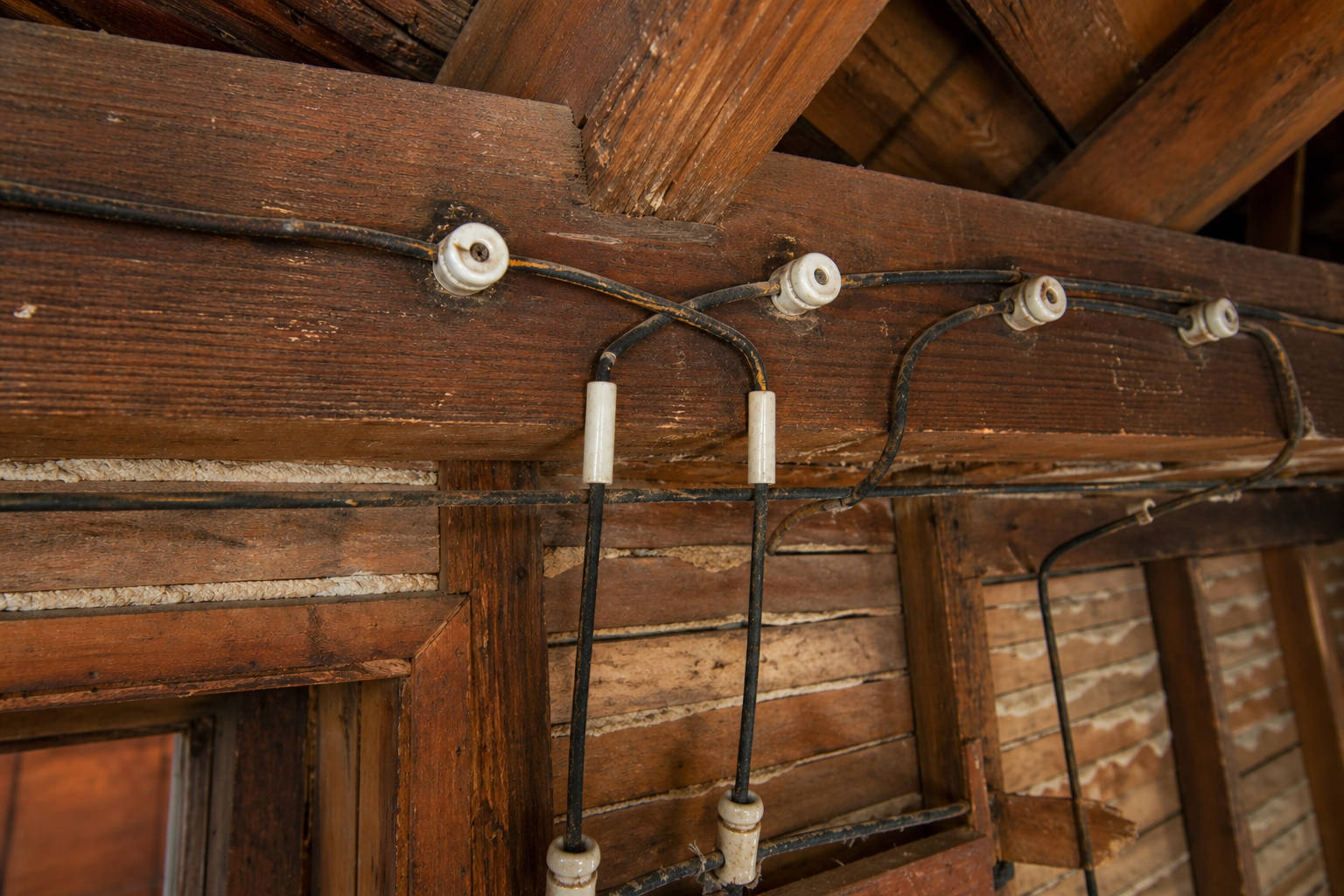
Electrical systems weren’t built with today’s lifestyles in mind. In many heritage homes, the original wiring was installed at a time when electrical demand was minimal, a few lights, maybe a radio, and not much more.
Fast forward to today, and that same system is often expected to support kitchen appliances, HVAC systems, home offices, EV chargers, and a long list of devices that didn’t exist when the home was built.
In some cases, those systems have been partially updated over time. In others, they’re still largely original. Either way, the result is often a patchwork of old and new that doesn’t always work together as cleanly as it should.
This is where heritage home rewiring becomes less about upgrading and more about aligning the home with how it’s actually being used today. It’s not about replacing history, it’s about supporting it with infrastructure that can keep up.
Aluminum Wiring, Aging Systems, and What That Actually Means
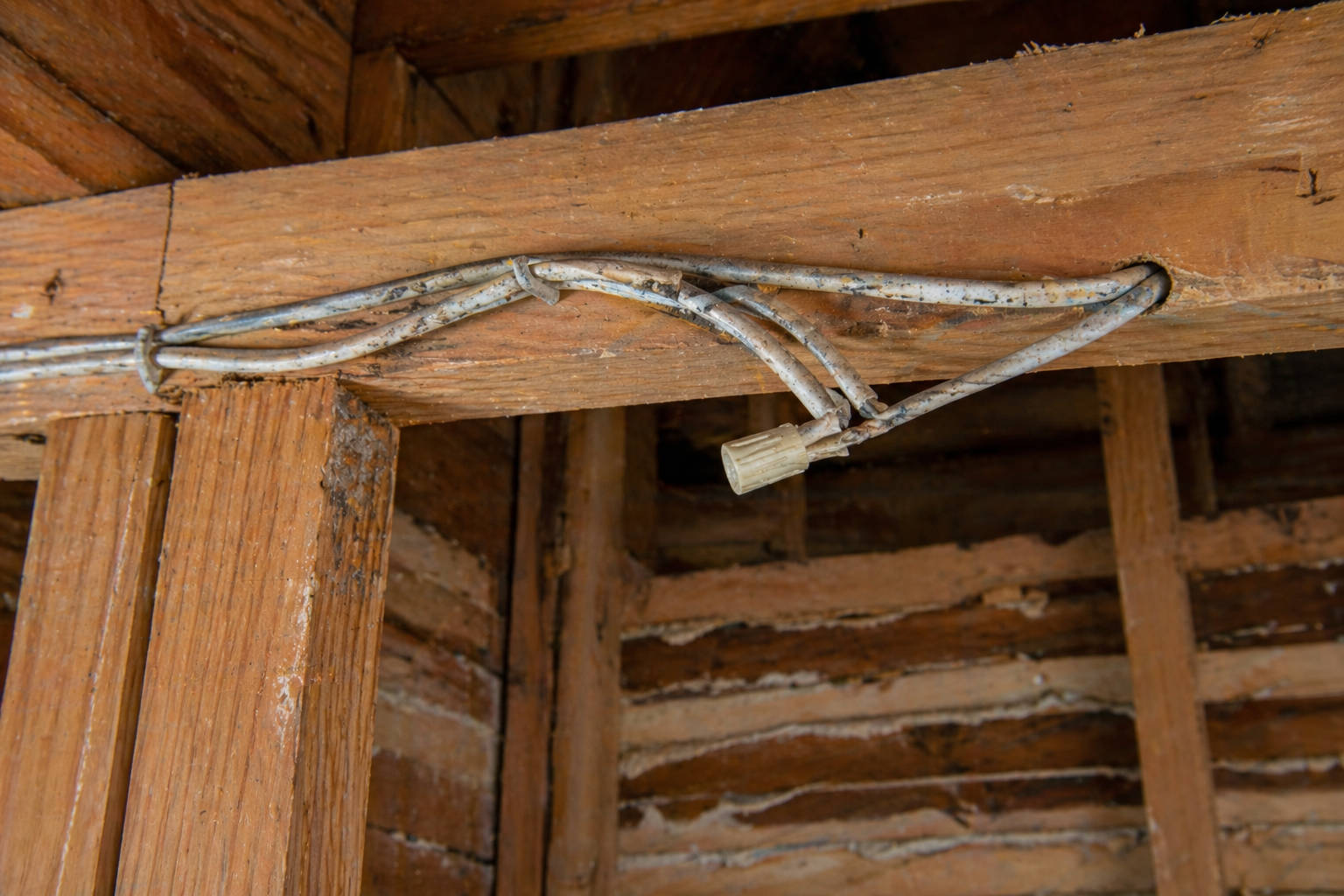
One of the most common concerns in older homes, especially across parts of BC, is aluminum wiring. It was widely used for a period of time and, while it can function safely under the right conditions, it behaves differently than copper wiring.
Aluminum expands and contracts more with temperature changes. Over time, that movement can cause connections to loosen. Loose connections can create resistance, and resistance can lead to heat buildup at connection points.
That doesn’t mean every home with aluminum wiring is unsafe. What it does mean is that age, wear, and changing usage patterns can increase the likelihood of issues over time.
This is where heritage home rewiring shifts the conversation away from uncertainty. Instead of wondering how an aging system will perform under modern demands, you’re bringing everything up to current standards in a controlled, intentional way.
It’s not about reacting to a problem. It’s about removing the question entirely.
The Real Cost of Waiting Isn’t Always Obvious
When electrical systems are out of sight, it’s easy to assume they’re fine as long as nothing is obviously wrong. But the cost of waiting often shows up in less obvious ways.
Insurance can become more complicated, especially if outdated wiring is identified during an inspection. Premiums may increase, or coverage may be limited until upgrades are made. Selling the home can also become more difficult, with buyers hesitant to take on unknown electrical risks.
There’s also the renovation side of things. If walls are already being opened for other work, that’s often the most efficient time to address the wiring. Waiting until later usually means undoing finished work, which adds cost and complexity that could have been avoided.
That’s why heritage home rewiring is often less about urgency and more about timing. When it’s done as part of a larger renovation plan, it becomes one of the smartest decisions in the entire process.
What Heritage Home Rewiring Actually Involves
For many homeowners, the biggest hesitation is simply not knowing what the process looks like. There’s an assumption that rewiring means major disruption or unnecessary damage to finished spaces.
In reality, the approach is much more strategic than that.
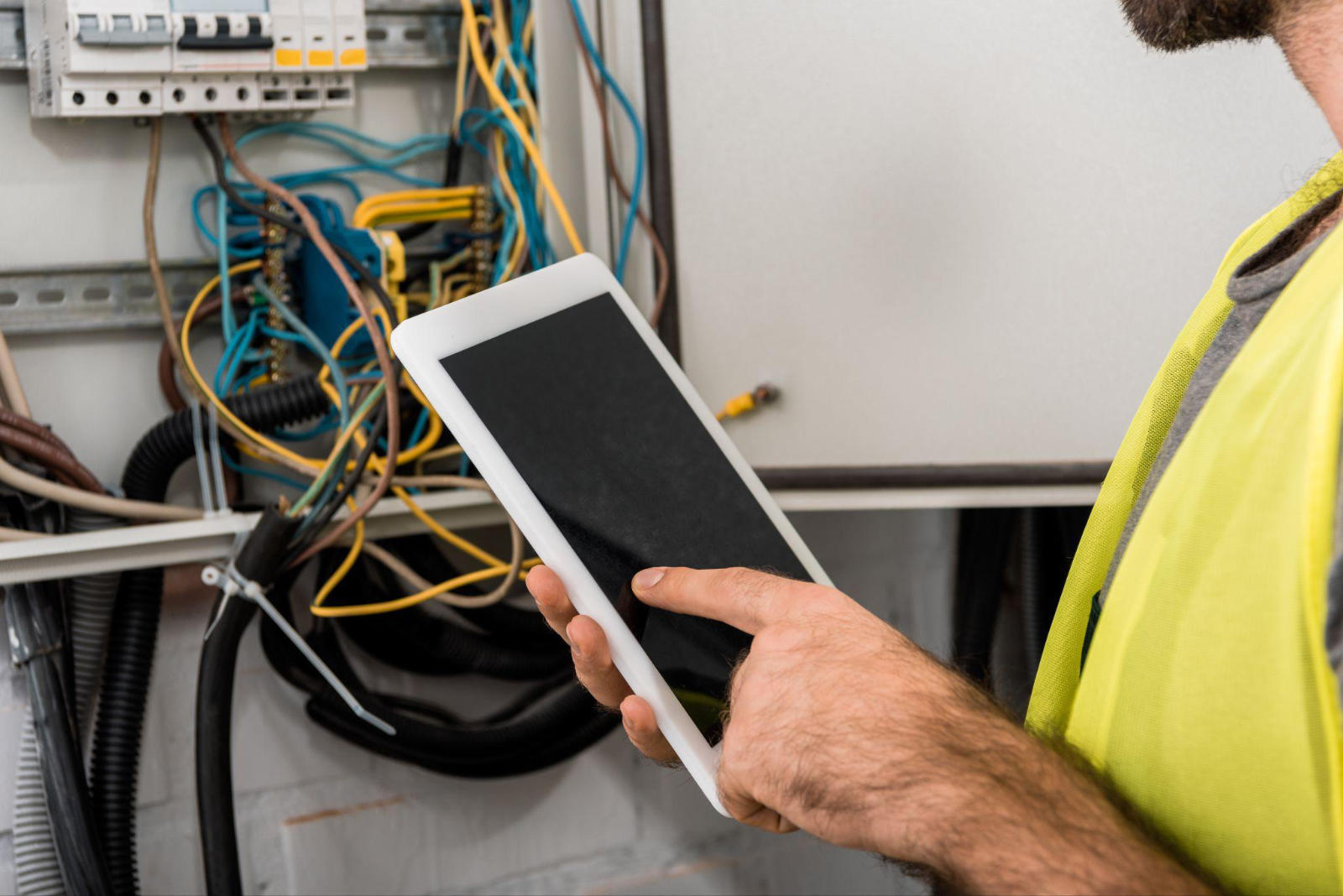
It starts with a thorough assessment of the existing system, identifying what’s in place, what’s still functional, and where upgrades are needed. From there, the work is planned to minimize impact, using access points that reduce the need for large-scale demolition.
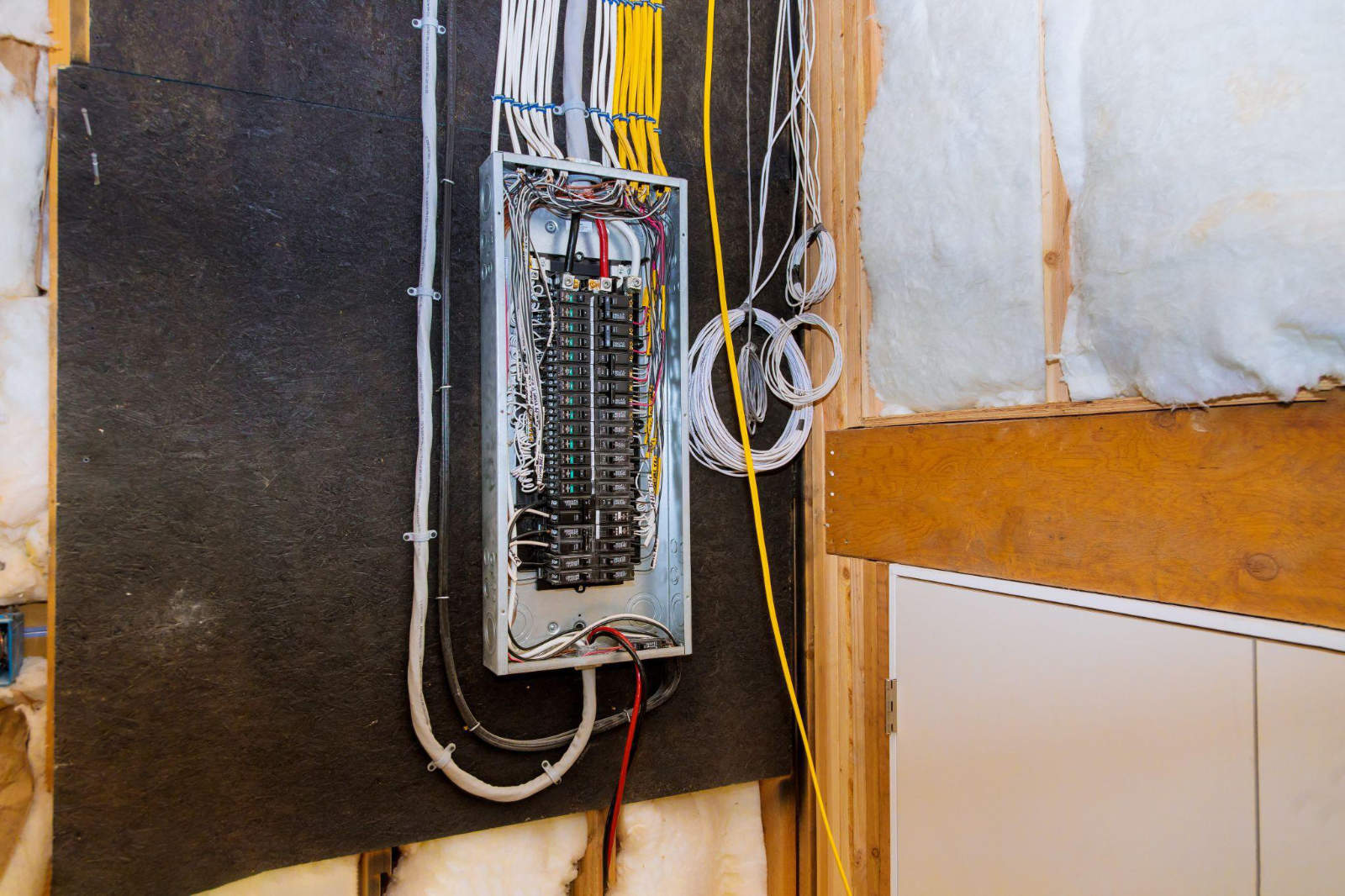
Wiring is replaced where necessary, panels are upgraded if needed, and everything is brought up to current code. The goal isn’t just to replace what’s there, it’s to create a system that works seamlessly with how the home is used today.
Experienced electricians understand that heritage homes require a different level of care. The focus is always on protecting the structure and preserving the details that make the home unique, while quietly upgrading what sits behind the walls.
That’s what makes heritage home rewiring feel far less intrusive than most people expect.
Protecting Character While Upgrading What Matters
One of the biggest concerns homeowners have is whether upgrading the electrical system will compromise the character of their home.
It’s a fair concern. Heritage homes often include original woodwork, plaster, trim, and architectural details that simply can’t be replicated. Those features are part of what makes the home valuable in the first place.
The good news is that heritage home rewiring is specifically designed to work around those elements, not against them.
The visible parts of your home stay intact. The craftsmanship, the layout, the feel of the space, none of that needs to change. What changes is the reliability of everything behind the scenes.
It’s the difference between updating the look of a home and strengthening the foundation that supports it.
Why This Is the Best “Insurance Policy” You Can Invest In
When people think about protecting their home, they often think in terms of insurance policies, coverage, and contingency plans.
But one of the most effective ways to protect a home is to reduce the likelihood of problems in the first place.
That’s exactly what heritage home rewiring does. It reduces the risk of electrical issues, supports insurance requirements, and ensures the home can handle modern electrical loads without strain.
It also provides something less tangible but just as important: peace of mind. Knowing that the system behind your walls is safe, stable, and built for how you actually live takes a lot of uncertainty out of homeownership.
In that sense, it’s not just another renovation expense. It’s a way of protecting the investment you’ve already made.
When It Makes Sense to Consider Rewiring
There are certain moments when rewiring naturally becomes part of the conversation:
- You’re planning a renovation or opening up walls
- You’ve been told your home has aluminum or outdated wiring
- You’re upgrading your panel or adding higher-demand systems
- You’re noticing flickering lights, tripping breakers, or inconsistent power
- You’re purchasing a heritage home and want clarity before moving forward
These aren’t red flags as much as they are opportunities. Moments where exploring heritage home rewiring makes sense, without pressure or urgency, just as part of making informed decisions about your home.
The Work You Don’t See Is What Protects Everything Else
It’s easy to prioritize the parts of a renovation that you can see. Those are the changes that feel immediate and tangible.
But the long-term performance of a home depends just as much, if not more, on what’s happening behind the walls.
You can update finishes at any time. You can refresh spaces as styles change. But the systems that power your home are what allow everything else to function safely and reliably.
That’s why heritage home rewiring is often one of the most important upgrades you can make, even if it’s the one no one ever notices.
Because in the end, the best renovations aren’t always the ones that stand out. Sometimes, they’re the ones quietly doing their job, day after day, protecting everything around them.
If you’re planning a renovation or simply want clarity on what’s behind your walls, it’s worth having a conversation. Oakwest Electric can walk you through what’s there, what’s working, and what makes sense for your home—so you can move forward with confidence.