When you’re planning a home renovation, there’s a lot to think about. New flooring, updated lighting, fresh paint, and maybe even a new kitchen are probably at the top of your list.
But what about the wiring behind your walls?
These days, our homes rely on technology more than ever. We have smart TVs, security cameras, home offices, wireless networks, and all kinds of connected devices.
That’s where low voltage wiring comes in.
It helps keep your home’s technology connected and working the way it should. And if you’re already opening up walls for a renovation, it’s a great time to think about adding it.
Let’s look at what it does, where it’s used, and why planning ahead can make your life easier.
What Is Low-Voltage Wiring?
Most homeowners are familiar with standard electrical wiring. It’s what supplies power to your lights, outlets, and appliances.
Low voltage wiring is a little different.
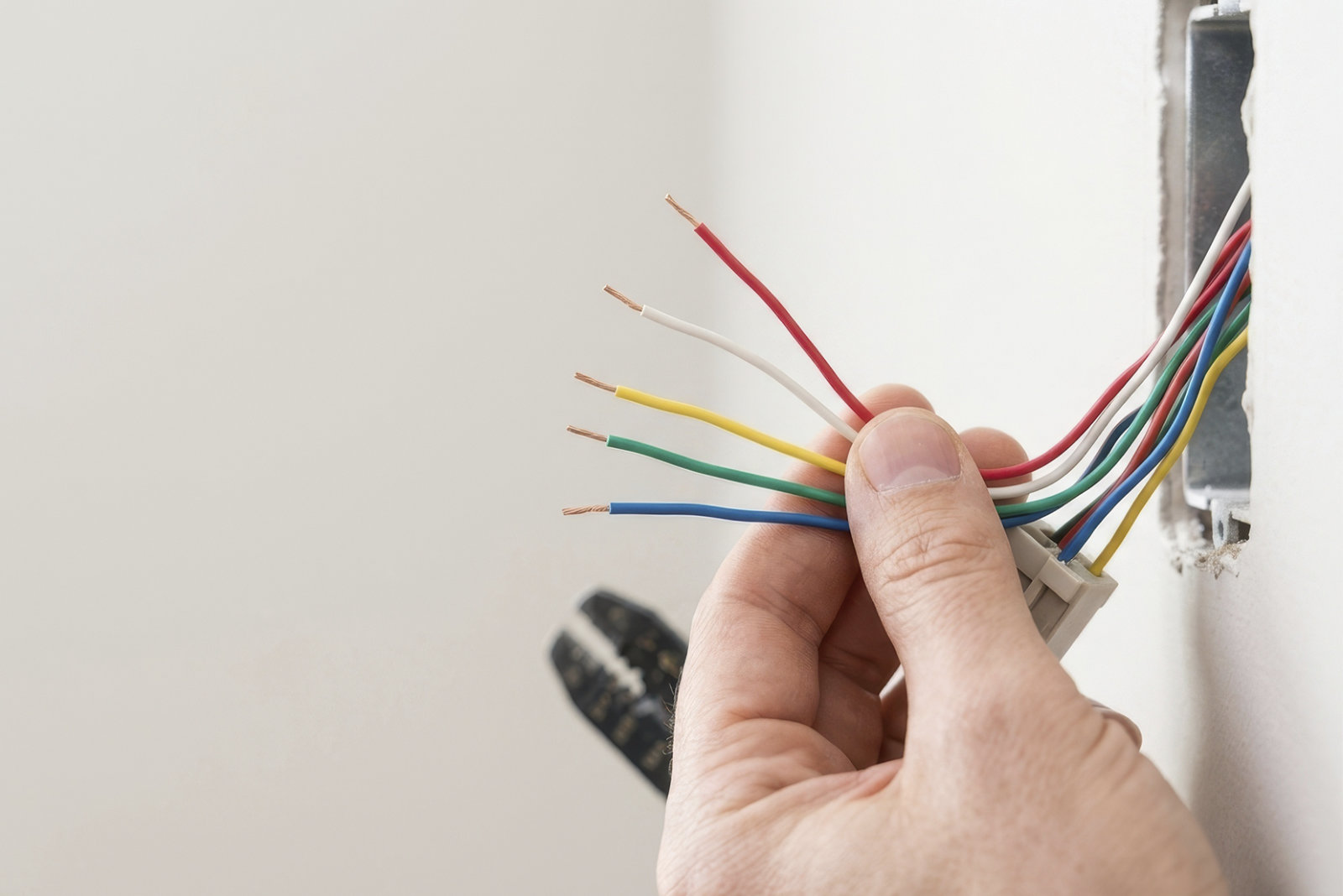
It uses lower electrical voltages than your home’s regular power circuits. Depending on the system, it may carry data, audio, video, or electrical power to certain devices.
For example, the cables connecting your home internet equipment, security cameras, and built-in speakers may all be part of a low-voltage system.
Some systems use cables that carry both power and information. Others use separate power supplies.
The important thing to understand is that these systems have different wiring needs than your regular household outlets.
And as homes become more connected, planning for them is becoming an important part of electrical renovations.
How Does Low-Voltage Wiring Support Your Home?
You might be surprised by how many everyday systems depend on this type of wiring.
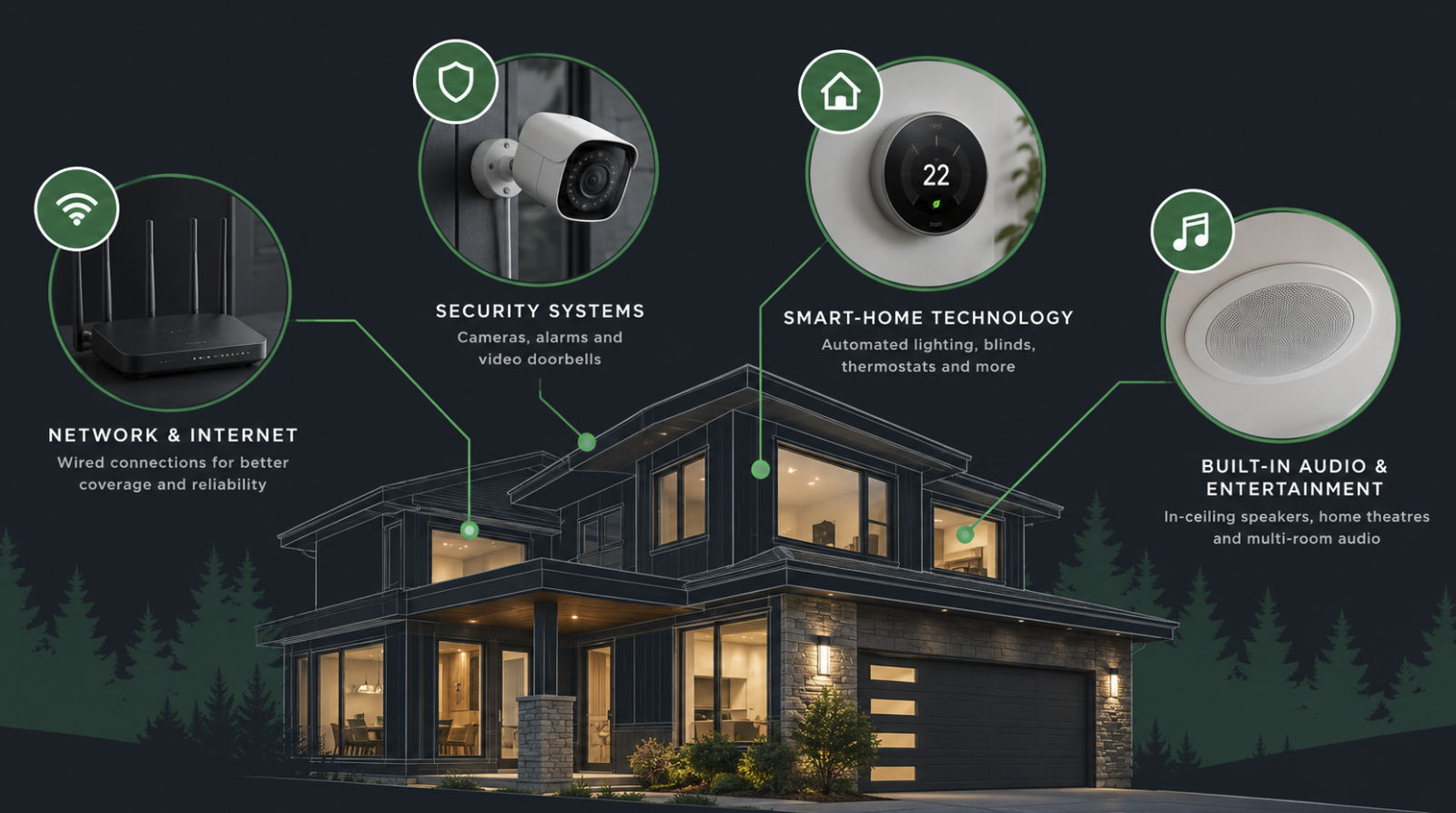
Better Internet and Home Networks
Wi-Fi is convenient, but it doesn’t always reach every corner of your home.
Thick walls, multiple floors, and the number of connected devices can all affect your signal.
Home network wiring gives you the option of connecting certain devices directly to your router or network equipment.
For example, a wired connection can be useful for a home office, gaming setup, or smart TV.
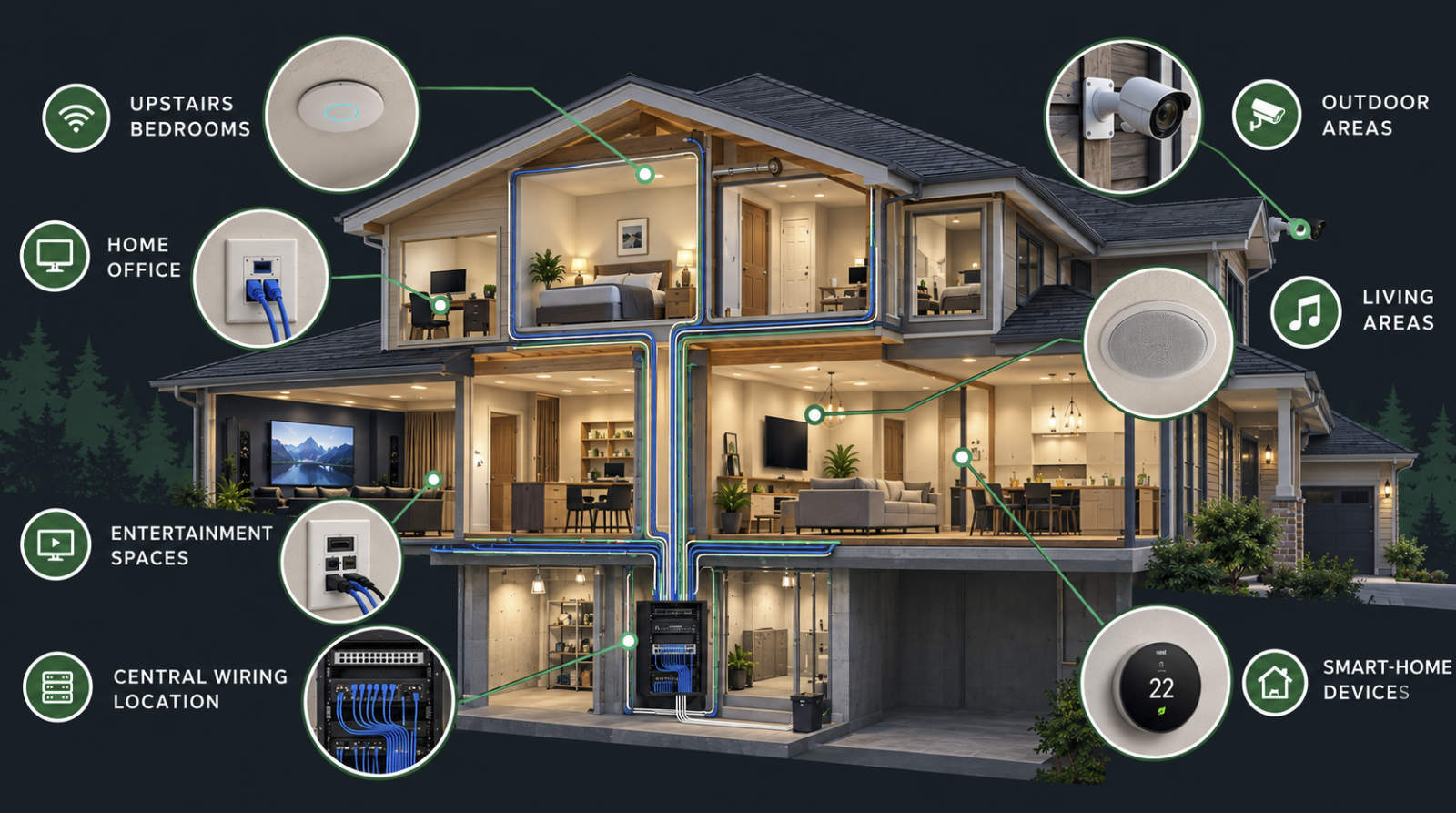
You can also use network cables to connect wireless access points in different parts of the house. This can help improve Wi-Fi coverage without relying entirely on wireless signals.
A well-planned low voltage wiring setup gives you more options for keeping everything connected.
Home Security Systems
Security cameras, alarm systems, and video doorbells are another common use.
While many security devices are wireless, some homeowners prefer wired systems because they don’t rely as heavily on batteries or wireless connections.
Certain cameras can even receive power and transmit video through a single network cable using Power over Ethernet, or PoE.
If you’re thinking about adding outdoor cameras, it’s worth planning where they’ll go before your renovation is finished.
That way, the cables can be routed neatly through the walls instead of being added later.
Smart-Home Technology
Smart-home systems can make everyday life a little more convenient.
You might want automated lighting, motorized blinds, connected thermostats, or a central control system.
Some of these devices communicate wirelessly, while others benefit from dedicated wiring.
Planning low voltage wiring during your renovation gives you the flexibility to choose the systems that work best for your home.
You don’t necessarily have to install everything right away, either.
Sometimes, simply preparing cable routes or adding network connections can make future upgrades much easier.
Built-In Audio and Entertainment
If you’ve ever dreamed of having speakers built into your living room ceiling or music playing throughout your home, this is worth thinking about.
Whole-home audio systems often need speaker wiring running between different rooms and a central equipment location.
Home theatres may also need network connections, speaker cables, and other wiring for entertainment equipment.
It’s much easier to plan these connections while the walls are open than to figure out how to hide cables after everything is finished.
Why Is a Renovation the Best Time to Add Low-Voltage Wiring?
Here’s where a little planning can really pay off.
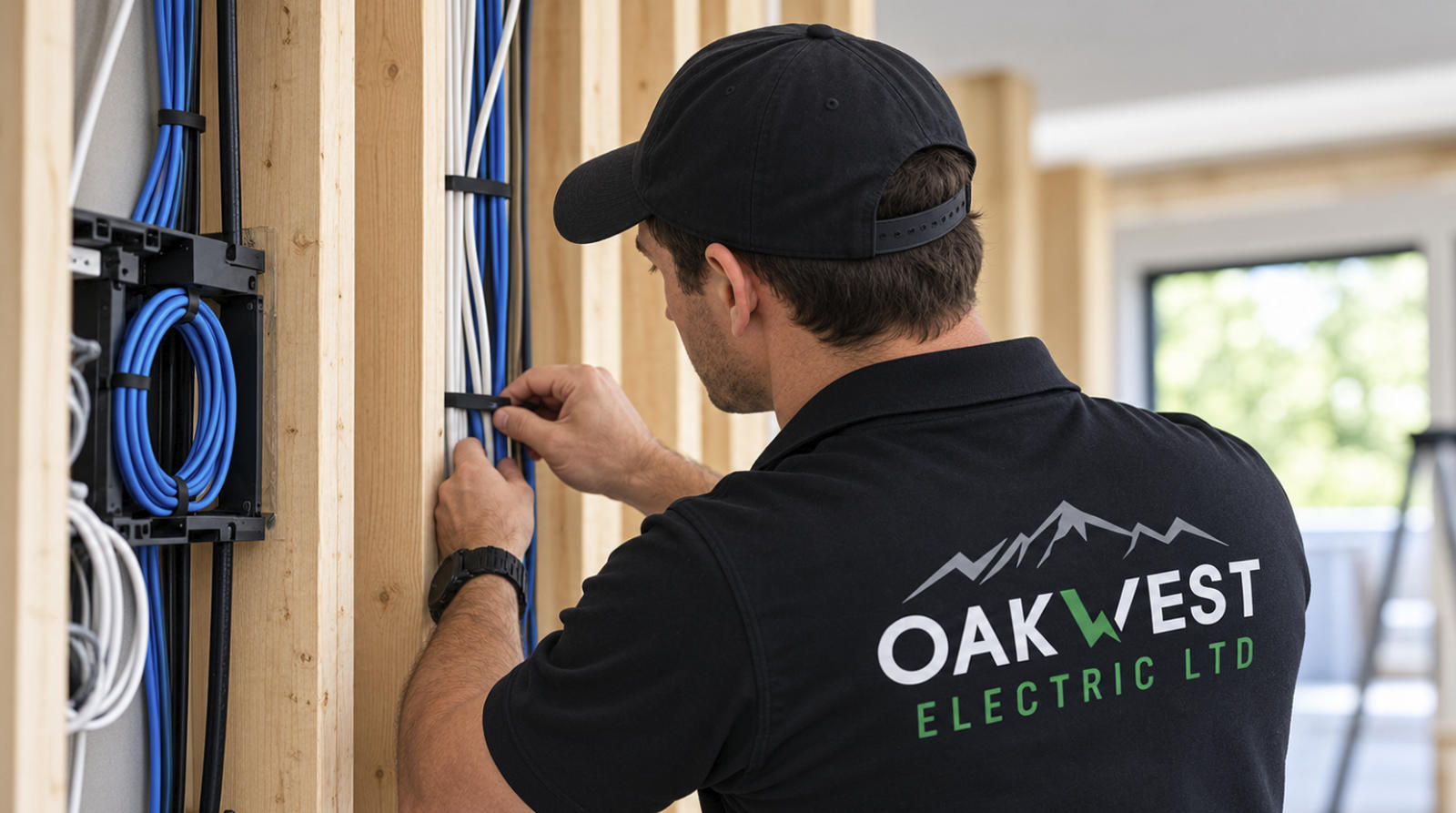
When you’re renovating, walls and ceilings may already be open. That makes it easier for your electrician to access the areas where new cables need to run.
Adding low voltage wiring at this stage can reduce the amount of cutting, patching, and repainting needed later.
It can also make the finished installation look much cleaner.
For example, imagine renovating your basement and deciding a year later that you want a wired internet connection for a home office.
If the walls are already finished, running that cable could involve opening drywall or finding another route.
But if you plan for it during the renovation, the connection can be installed before the walls are closed.
The same idea applies to security cameras, speakers, and smart-home equipment.
You may not need every connection today, but preparing for future upgrades can save you trouble down the road.
What Should You Plan Before Installation?
Before adding low voltage wiring, think about how you use your home now and what might change over the next few years.
Do you work from home? Are you planning to add security cameras? Would you like better internet coverage upstairs or in the basement?
Maybe you’re thinking about a home theatre or a smart-home system in the future.
These details help your electrician determine where cables should run and what type of wiring makes sense.
It’s also worth considering a central location for your network equipment. This might be a utility room, storage area, or dedicated wiring cabinet.
A structured wiring setup brings different connections together in one organized location, making them easier to manage and update.
Choosing the right cables matters, too. Different systems have different requirements, and not every cable is suitable for every use.
Your electrician can help plan cable routes, protect the wiring, and keep it properly separated from regular electrical circuits.
Can You Install Low-Voltage Wiring Yourself?
Some homeowners are comfortable setting up their own routers, speakers, and smart-home devices.
But installing permanent wiring inside walls is a different job.
Even though these systems operate at lower voltages, they still need to be installed correctly.
Cables must be suitable for their location, properly supported, and protected from damage. Certain installations also have specific electrical code requirements.
In British Columbia, the rules depend on the type of system and work involved. You can find information about electrical permits and safety requirements through Technical Safety BC.
Working with a qualified electrician helps make sure your wiring is planned correctly and meets the applicable requirements.
It also means you can coordinate your regular electrical upgrades and technology wiring as part of the same renovation.
Is Low-Voltage Wiring Worth It?
For many homeowners, the answer is yes, especially if you’re already renovating.
You might not need a fully connected smart home, but having reliable network connections and room for future technology can be useful.
The biggest benefit is flexibility.
Low voltage wiring gives you more options for adding new devices without having to open up finished walls.
And with technology changing so quickly, it’s nice to know your home has room to grow.
Planning a Renovation? Let’s Talk About Your Wiring
A renovation is a great opportunity to make your home more comfortable, practical, and ready for the future.
At Oakwest Electric, we help homeowners in Langley and throughout the Fraser Valley plan electrical upgrades that make sense for their homes.
Whether you’re updating one room, finishing a basement, or planning a larger renovation, we can help you think through your electrical and wiring needs before the work begins.
Thinking about adding low voltage wiring to your home? Contact Oakwest Electric today. We’d be happy to discuss your plans and help you get started.