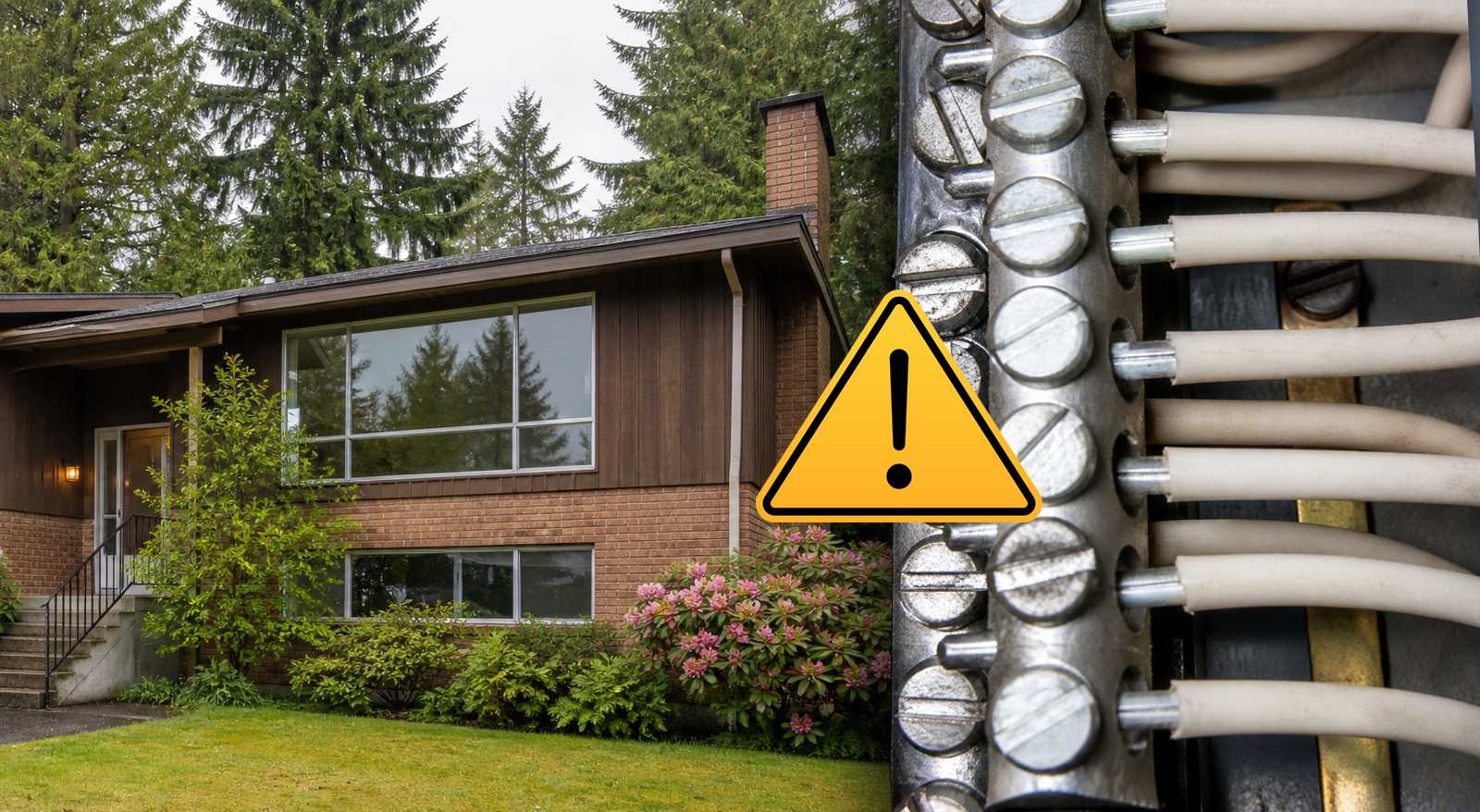
Aluminum wiring is found in many Canadian homes built or renovated during the 1960s and 1970s. It became a popular alternative when copper prices increased, and it was used for branch circuits supplying lights, switches, and receptacles.
Finding aluminum wiring in your house does not automatically mean the home is unsafe or that every wire must be replaced. However, aluminum wiring requires the correct devices, connectors, and installation methods. As connections age or are altered incorrectly, they can loosen, overheat, and create a potential fire hazard.
BC homeowners who own an older property—or are considering buying one—should understand how to identify aluminum wiring, recognize warning signs, and know when to arrange a professional aluminum wiring inspection.
Why Can Aluminum Wiring Become a Safety Concern?
Electricity can travel safely through properly installed and maintained aluminum conductors. The main concern is usually not the wire running inside the wall. Problems are more likely to develop at connection points, including receptacles, switches, light fixtures, junction boxes, and the electrical panel.
Aluminum expands and contracts more than copper as it heats and cools. Over many cycles, a connection that was not installed correctly may gradually loosen. Aluminum also develops an oxide layer when exposed to air. That oxide can increase electrical resistance at an improperly prepared connection.
Greater resistance generates more heat. This can damage a device, melt insulation, cause arcing, or ignite nearby material. Technical Safety BC has documented incidents involving overheating and fires where aluminum conductors were connected improperly or used with incompatible equipment.
Another concern is past renovation work. A previous homeowner or unqualified installer may have replaced receptacles and switches with devices designed only for copper. Copper-only devices should not be connected directly to aluminum wiring. Technical Safety BC advises that the correct connectors, wiring methods, and compatible devices must be used.
How to Identify Aluminum Wiring in a House
Most homeowners cannot confirm an entire wiring system by looking at the electrical panel alone. Nevertheless, several clues can indicate that an aluminum wiring house needs further investigation.
Start by considering the age of the property. If your home was built or extensively renovated between the mid-1960s and late 1970s, aluminum branch-circuit wiring may have been installed.
Visible wire markings can provide another clue. In unfinished areas such as a basement, attic, utility room, or near the electrical panel, the cable jacket may display terms such as “AL,” “ALUMINUM,” or “ACM.” Never remove the panel cover or open electrical boxes to search for these markings yourself. Energized components can cause severe injury or death, even when the panel door is open.
An electrical inspection report, renovation permit, or previous insurance document may also mention aluminum conductors. Sellers and real estate documents sometimes disclose them, but missing paperwork does not prove that the home has copper wiring.
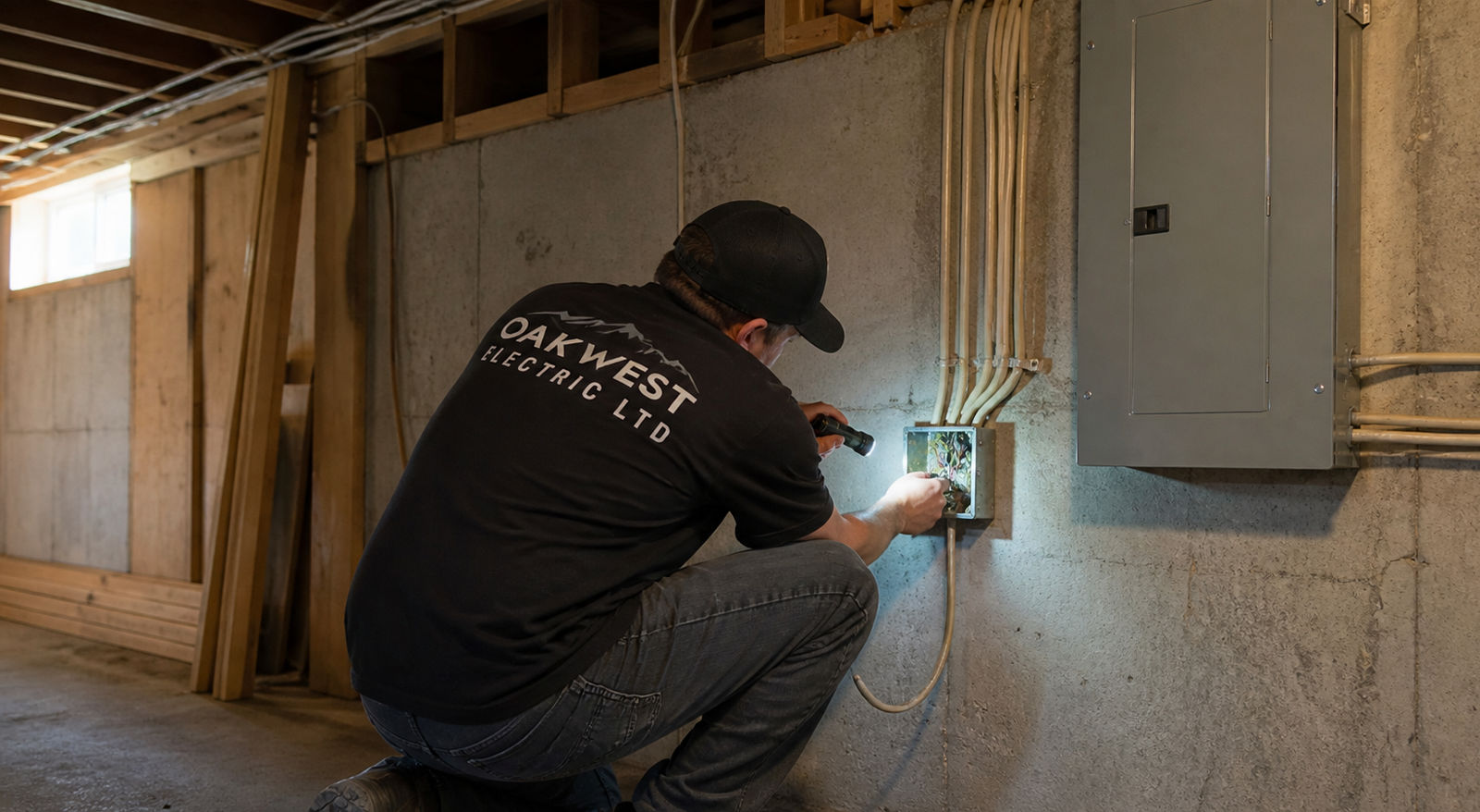
The safest and most reliable option is to have a qualified aluminum wiring electrician inspect representative outlets, switches, fixtures, junctions, and panel connections.
Warning Signs Homeowners Should Watch For
Aluminum wiring problems are not always visible. A connection can deteriorate inside an electrical box without producing an obvious symptom. When warning signs do appear, they should be taken seriously.
Possible signs of an unsafe electrical connection include:
- Receptacles, switches, plugs, or cover plates that feel unusually warm
- A burning-plastic, smoky, or metallic odour
- Buzzing, sizzling, or crackling near an outlet or switch
- Flickering or dimming lights
- Intermittent power at a receptacle or fixture
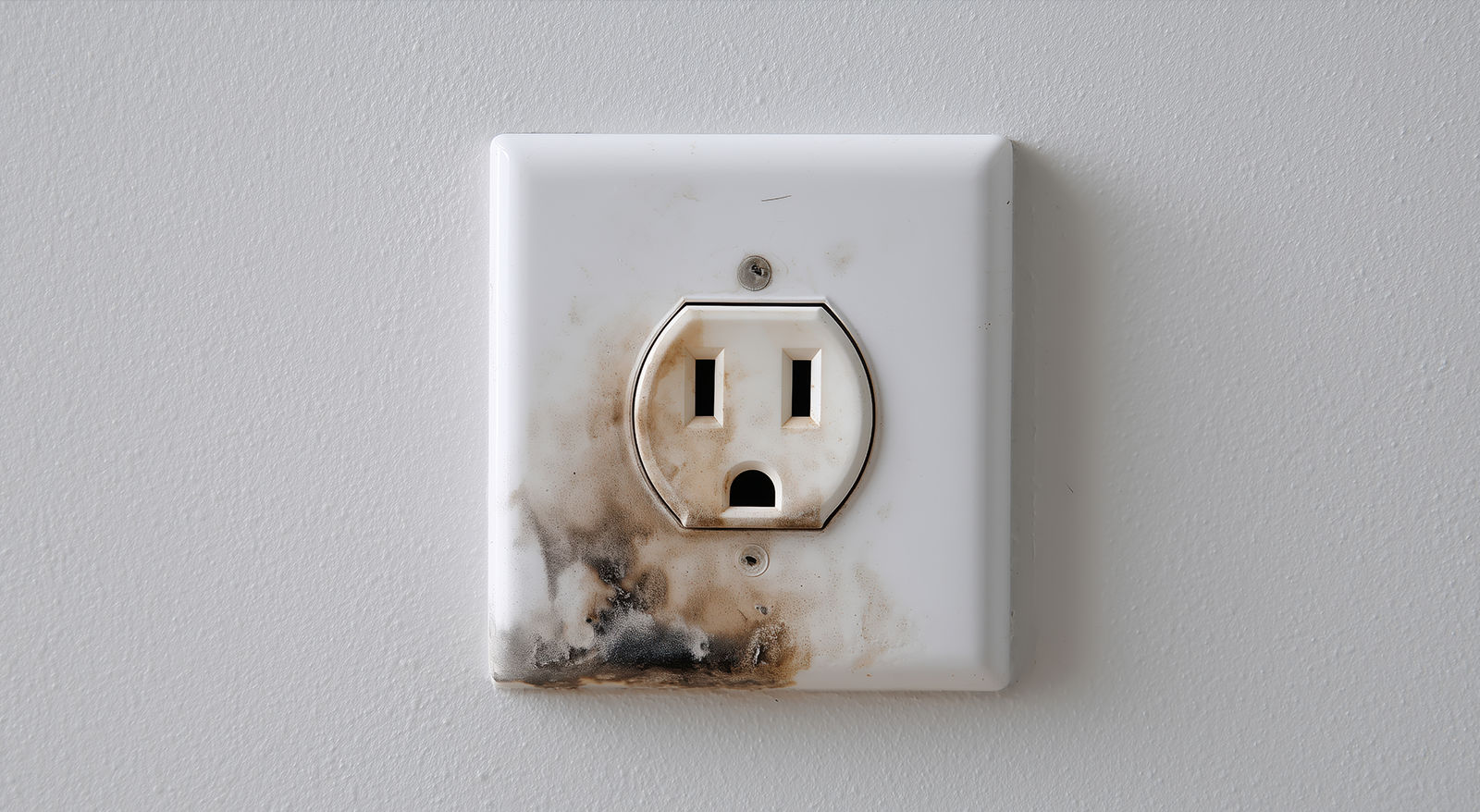
- Discoloured, scorched, melted, or warped electrical devices
- Sparks when using a switch or plugging in an appliance
- Breakers that trip repeatedly without a clear cause
If you notice smoke, flames, significant heat, or a strong burning smell, leave the area and contact emergency services. Do not continue using the affected circuit. For less immediate warning signs, stop using the device and arrange an electrical inspection promptly.
Do not attempt to tighten connections, install ordinary wire nuts, or replace the device yourself. Aluminum wiring repair requires suitable materials and methods. A DIY change that appears secure may create a dangerous connection behind the wall.
What Happens During an Aluminum Wiring Inspection?
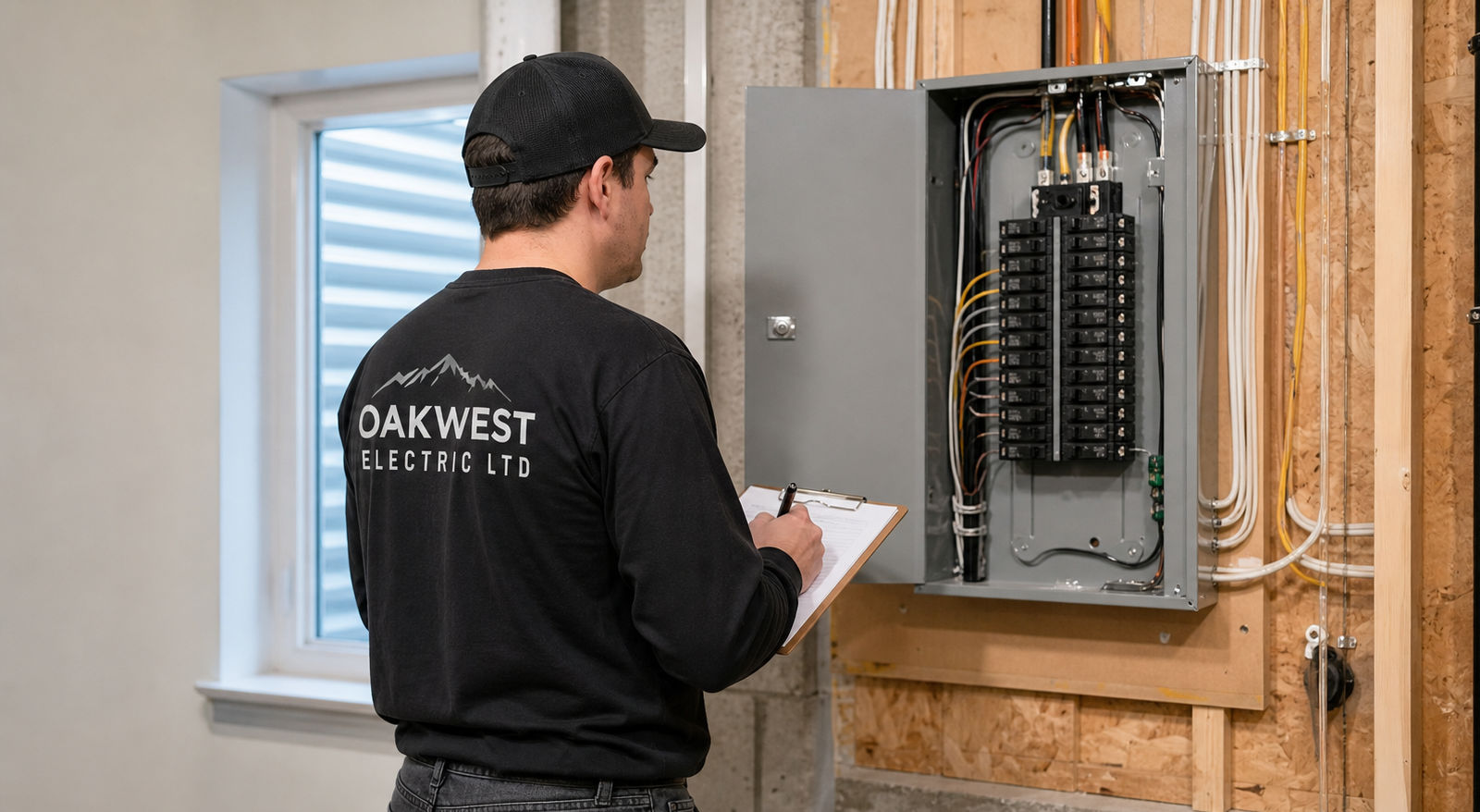
A licensed electrician will first determine where aluminum wiring is present and evaluate its overall condition. The electrician may inspect accessible terminations at the panel and a representative selection of receptacles, switches, light fixtures, and junction boxes.
The inspection should look for loose connections, oxidation, overheating, damaged insulation, incompatible devices, improper copper-to-aluminum splices, and evidence of unpermitted alterations. The electrician may also assess whether the electrical panel, breakers, and grounding system are suitable for the home’s present needs.
This is especially important before buying an older home, completing a major renovation, replacing the electrical panel, or installing equipment with a substantial electrical load. Heat pumps, hot tubs, electric ranges, and EV chargers can expose weaknesses in an aging system and may require new dedicated circuits.
An aluminum wiring inspection can also help with insurance or real estate requirements. Some insurers request an electrician’s report or proof that approved corrective work has been completed before providing coverage.
Does All Aluminum Wiring Need to Be Replaced?
Not necessarily. The appropriate aluminum wiring repair depends on the installation’s condition, the devices being used, previous alterations, and the scope of the planned renovation.
In some homes, an electrician may recommend replacing incompatible switches and receptacles with devices approved for aluminum conductors. In other situations, approved copper pigtails and connectors may be installed so that copper-rated devices can be connected correctly. Every termination must use a recognized method and products approved for that application.
If the wiring has widespread damage, many unsafe alterations, or extensive accessibility during a renovation, replacing branch circuits with copper may be the most practical long-term option. A full update can also make sense when the home needs additional capacity or significant modernization.
There is no universal repair that suits every property. An electrician should inspect the system before recommending targeted remediation or complete replacement.
Electrical improvements in BC may require an installation permit. Technical Safety BC states that regulated electrical home improvements require permits and that a licensed contractor will obtain the appropriate permit when hired. Some municipalities administer their own electrical permits, so the applicable process depends on the property’s location. Technical Safety BC’s aluminum-wiring guidance also says replacement should be completed by a qualified person under an electrical installation permit.
Protect Your Older BC Home
Aluminum wiring can remain in service when it has been installed correctly, uses compatible components, and is maintained appropriately. The risk increases when connections loosen, devices are incompatible, or renovations introduce improper splices.
If you own an older home in Langley or the surrounding area, Oakwest Electric can assess your wiring, explain the findings, and recommend an appropriate solution. Contact an electrician in Langley, BC, to schedule an aluminum wiring inspection or discuss safe repair and upgrading options for your home.