What exactly is a smart home, and how do all these devices communicate with each other? Can smart home technology really make your home more convenient, efficient, and secure? The smart home device market is growing rapidly and homeowners across Langley and the Lower Mainland are adding smart lighting, thermostats, video doorbells, and home automation systems, but many people still aren’t sure how the technology actually works. By the end of this post, you’ll understand what smart home technology is, how smart devices communicate, and what’s needed to install a reliable smart home system safely.
The Basics of Smart Home Technology
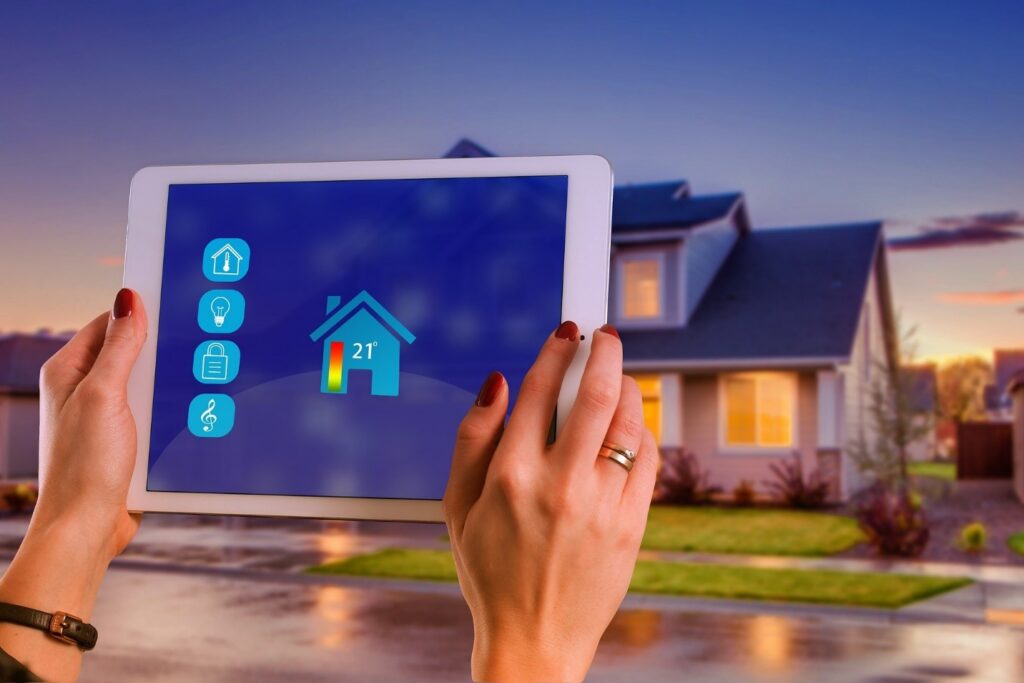
At its core, smart home technology allows devices in your home to connect and communicate through your internet or home network. These devices can then be controlled remotely through a smartphone app, voice assistant, or automation system.
Instead of operating independently, smart devices work together to automate tasks and respond to commands automatically. For example, smart lighting can turn on when you arrive home, your thermostat can adjust temperatures based on your schedule, or your security cameras can send alerts directly to your phone when motion is detected.
The goal of a smart home is to improve convenience, comfort, energy efficiency, and security by giving homeowners more control over how their home functions.
How Smart Devices Communicate
Most smart home devices connect through your home’s Wi-Fi network. Some systems also use technologies like Bluetooth, Zigbee, or Z-Wave, which are wireless communication systems designed specifically for smart home products.
Many smart homes also use a central hub or app that allows multiple devices to work together as one integrated system. That means different devices can trigger actions automatically without requiring manual control every time.
For example:
- A smart lock can turn on your hallway lights when you unlock the front door
- Motion sensors can activate outdoor security lighting
- A smart thermostat can lower heating when nobody is home
- Automated blinds can close during the hottest part of the day
This automation is what separates smart homes from regular electrical devices.

What Smart Home Technology Can Control
As BC Hydro explains, modern smart home systems can control a wide range of devices throughout your home, including:
- Lighting and dimmers
- Thermostats
- Security cameras
- Video doorbells
- Smart locks
- Garage doors
- Entertainment systems
- Automated blinds
- Appliances
- EV chargers
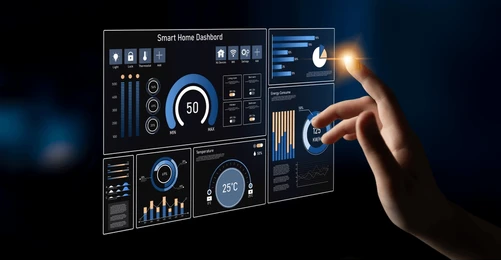
- Home energy monitoring systems
Many homeowners start with a few basic devices and gradually expand their system over time as they become more comfortable with the technology.
Why Your Electrical System Matters
While many smart home products appear simple, the electrical system behind them is still important. Some devices are plug-and-play, but others require permanent electrical installation and proper wiring.
Smart switches, dimmers, thermostats, EV chargers, and whole-home automation systems often need dedicated circuits or updated wiring. Older homes can sometimes run into compatibility issues, especially if:
- Switch boxes don’t contain neutral wires
- Electrical panels are already full
- Existing wiring is outdated
- Wi-Fi coverage is inconsistent
Without proper installation, homeowners may experience connectivity problems, overloaded circuits, or unreliable device performance.
Can Smart Home Technology Save Energy?
One of the biggest advantages of smart home technology is improved energy efficiency. Smart thermostats reduce unnecessary heating and cooling, while smart lighting systems automatically turn lights off when rooms are empty.
Some systems also include real-time energy monitoring, allowing homeowners to track how much electricity different devices are using throughout the home. Over time, this can help reduce energy waste and lower utility costs.
Why Professional Installation Matters
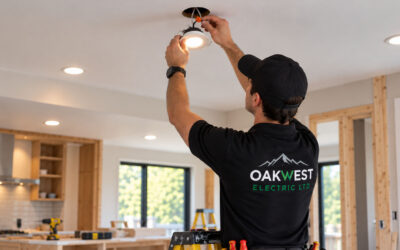
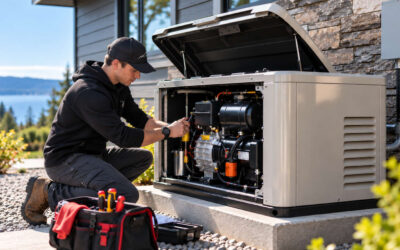
Some smart home devices are DIY-friendly, but larger systems often require proper wiring, dedicated circuits, and safe integration with your electrical system. Poor installation can lead to wiring issues, overloaded circuits, compatibility problems, or code violations.
At Oakwest Electric, we help homeowners across Langley and the Lower Mainland install smart lighting, EV chargers, security systems, and home automation safely and professionally. If you’re planning smart home upgrades, contact Oakwest Electric to make sure your system is installed correctly and built to last.