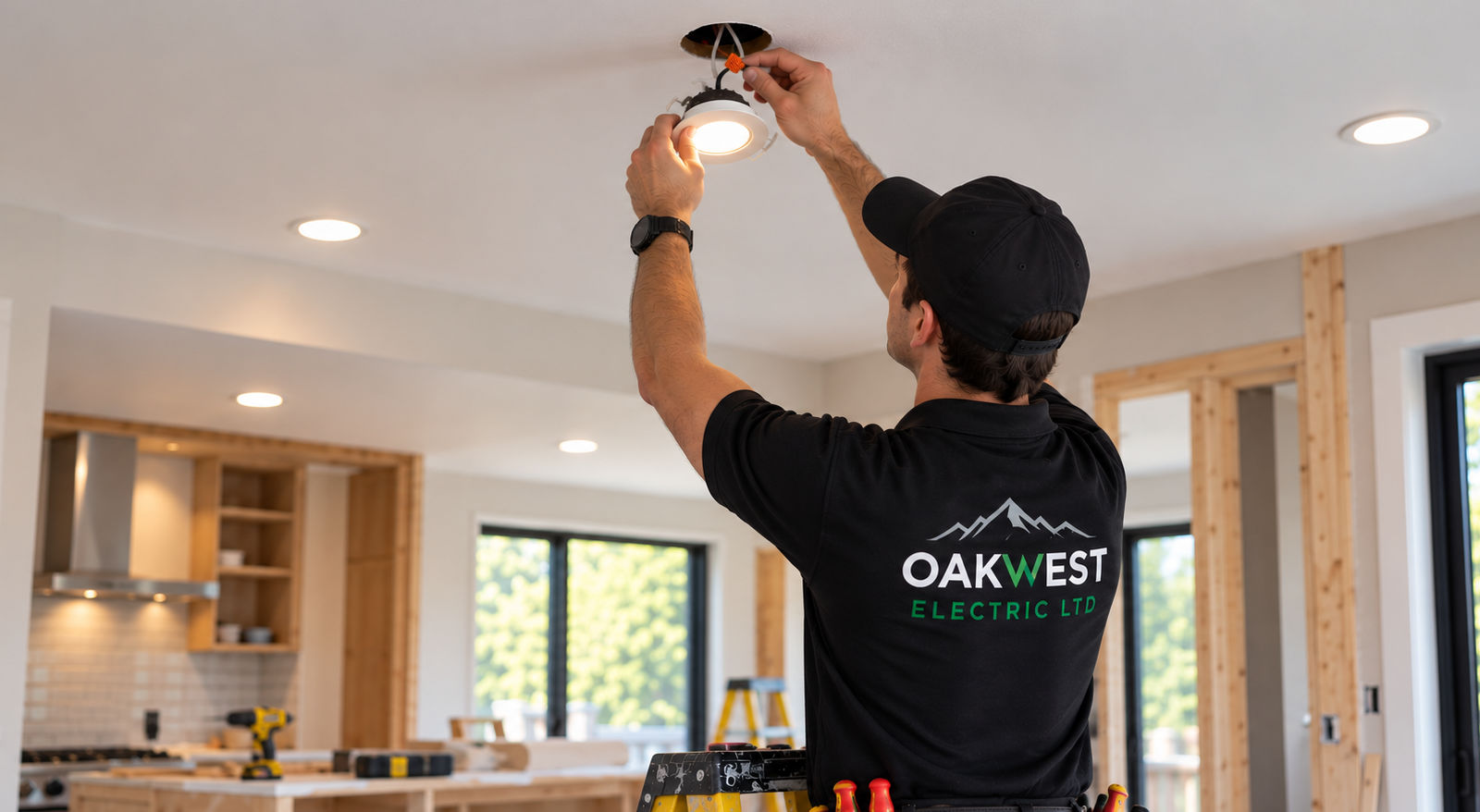
Good lighting can make a big difference in how your home looks and feels. Whether you’re updating your kitchen, finishing a basement, or brightening up your living room, pot lights are a great way to add light without taking up space.
They’re clean, modern, and work well in almost any room. But there’s a little more to pot light installation than cutting a few holes in the ceiling and adding some fixtures.
Before getting started, it’s worth thinking about where your lights should go, how many you’ll need, and what’s happening behind your ceiling. A little planning now can help you get lighting that looks great and works the way you want it to.
Why Are Pot Lights So Popular?
Pot lights, also called recessed lighting, sit inside your ceiling instead of hanging down into the room. This gives them a simple, streamlined look that works with almost any style of home.
They’re especially popular in kitchens, living rooms, hallways, and basements. They also work well in rooms with lower ceilings because there’s no hanging fixture taking up space.
Another benefit is flexibility. You can use recessed lighting to brighten an entire room, highlight a certain area, or create a softer feel in the evening.
And with today’s LED options, you can enjoy great lighting without using a lot of electricity.
The trick is making sure your pot light installation is planned around how you actually use the space.
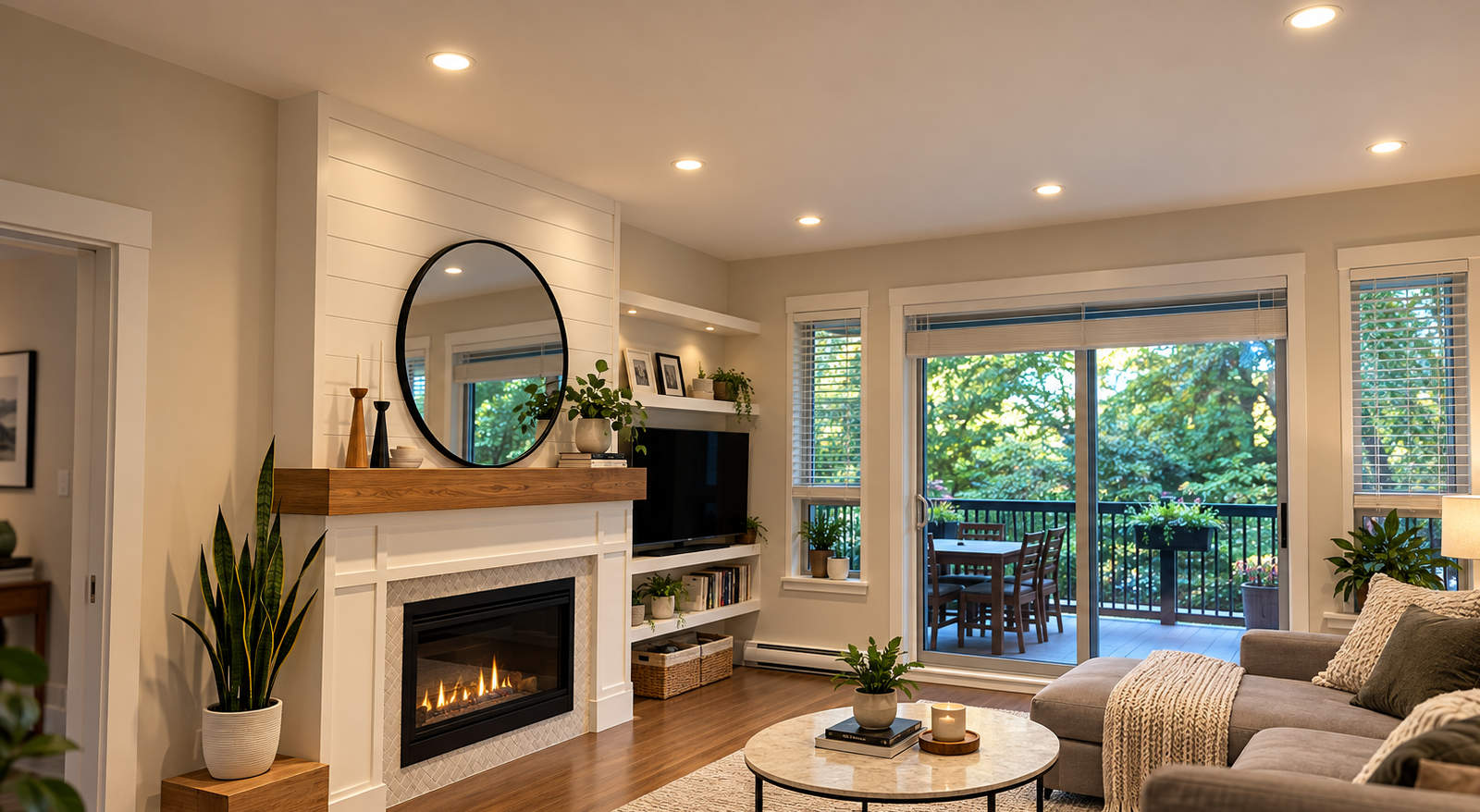
Getting the Placement Right
One of the biggest mistakes homeowners make with pot lights is focusing on how the fixtures look on the ceiling instead of where the light will fall.
For example, placing lights directly behind where you stand at the kitchen counter can create shadows over your work area. In a living room, poorly placed lights might leave certain corners dark while making other spots too bright.
Before planning your pot light installation, think about what happens in each part of the room.
In a kitchen, you’ll want good lighting over counters, sinks, and food preparation areas. In a living room, you might prefer more even lighting with the option to dim it when you’re relaxing.
Hallways usually benefit from a simple, evenly spaced layout. Bathrooms may need brighter lighting around the vanity and softer lighting elsewhere.
The goal is to make the room comfortable and practical, not simply fill the ceiling with lights.
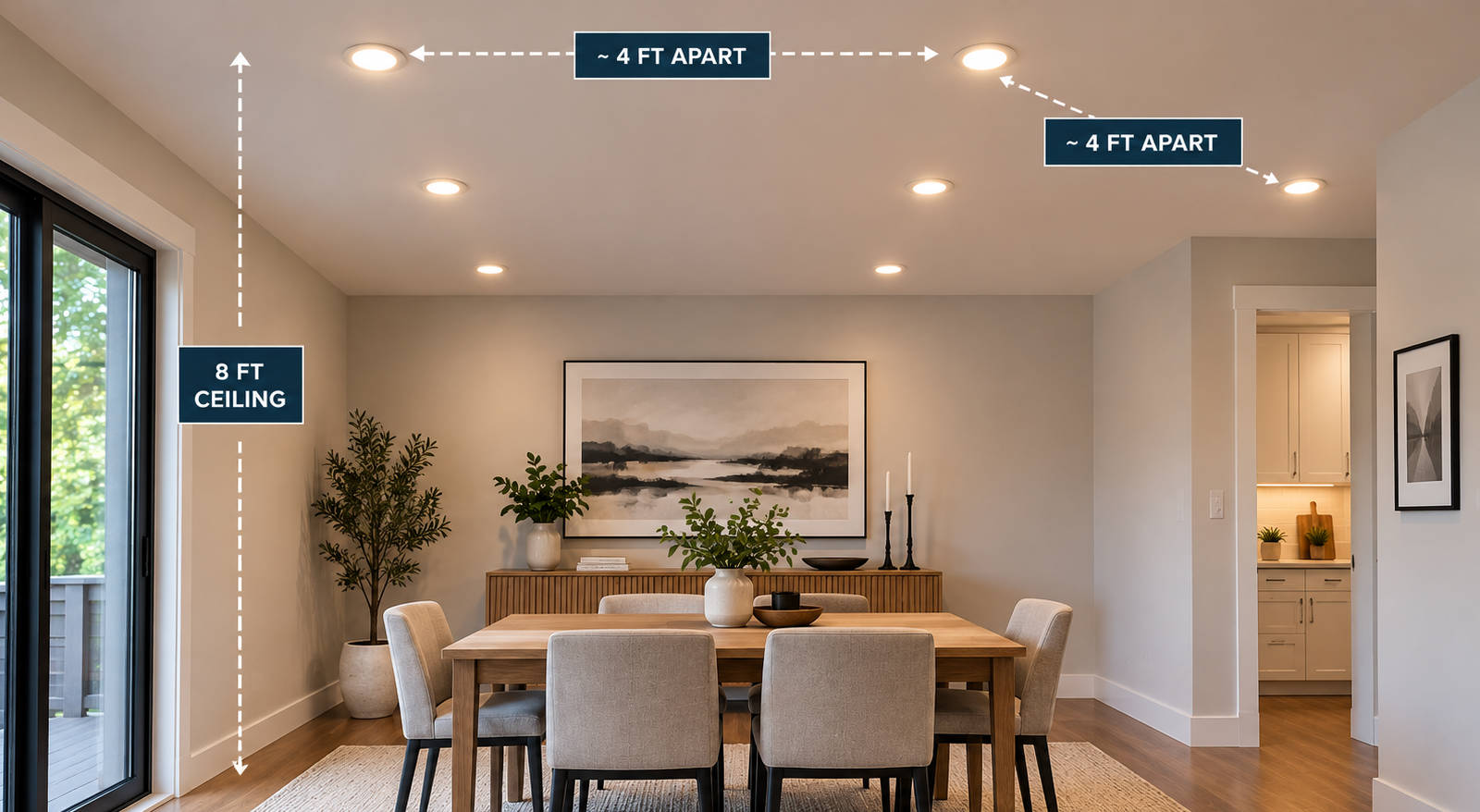
How Far Apart Should Pot Lights Be?
Spacing matters more than you might think.
If pot lights are too far apart, you’ll end up with dark spots. Put them too close together, and the room can feel overly bright.
A common starting point is to space pot lights about half the ceiling height apart. For example, an eight-foot ceiling might call for lights spaced around four feet apart.
But that’s only a general guideline.
The right spacing depends on the size of the room, the brightness of the fixtures, their beam angle, and what you’re trying to light.
Some LED pot lights spread light across a wider area, while others focus it in a smaller space.
A professional pot light electrician can help you find the right balance so the room feels evenly lit without installing more fixtures than necessary.
Your Ceiling Type Makes a Difference
Not every ceiling is equally easy to work with.
If you’re planning pot light installation in a room with an unfinished ceiling above it, the wiring and fixture placement may be fairly straightforward.
Finished ceilings can be more complicated.
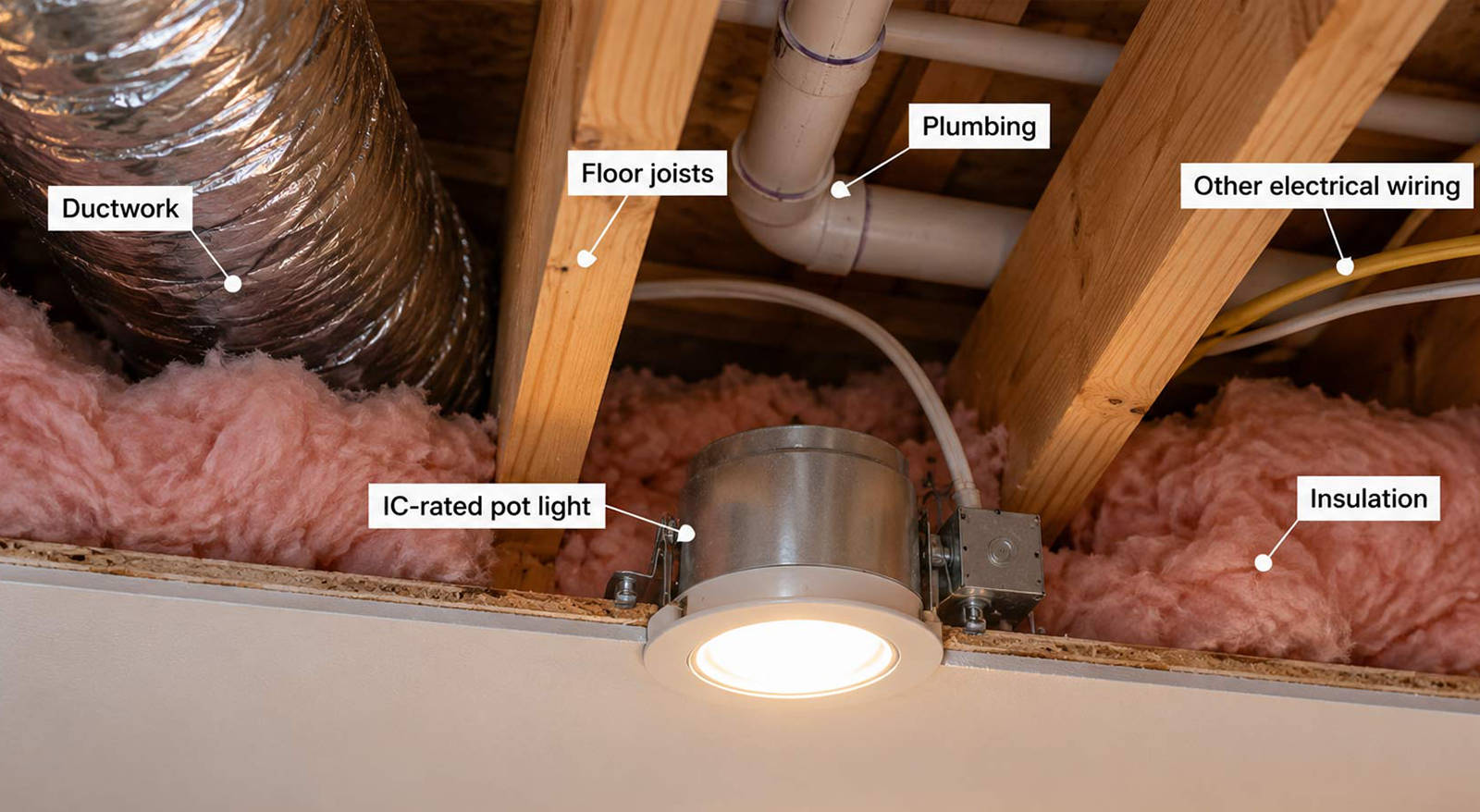
There may be insulation, ceiling joists, plumbing, ductwork, or existing electrical wiring in the way. These can affect where fixtures can safely be installed.
Insulated ceilings also need special attention. Fixtures installed near insulation must be approved for that use and installed according to their specifications.
Some newer recessed LED fixtures have a slim design that makes them easier to fit into tight spaces. However, even slim fixtures need enough room for their electrical connections and any required clearances.
If you’re renovating an older home, it’s also worth checking what’s behind the ceiling before committing to a layout.
A good recessed lighting installation plan takes these details into account before any holes are cut.
Choosing the Right LED Pot Lights
LED lighting has made pot lights more efficient and versatile than ever.
Modern LED pot lights use much less electricity than older incandescent or halogen fixtures. They also produce less heat and generally last much longer.
But not all LEDs look or perform the same.
One thing to consider is colour temperature. This determines whether the light looks warm and cozy or bright and cool.
Warm white lighting, usually around 2700K to 3000K, works well in living rooms and bedrooms. A slightly cooler light, around 3500K to 4000K, can be useful in kitchens, bathrooms, and workspaces.
Brightness matters too. Instead of focusing only on watts, look at lumens. Lumens tell you how much light a fixture produces.
You’ll also want to consider the beam angle, which determines how widely the light spreads.
During your pot light installation, choosing the right combination of brightness, colour, and beam angle can make a huge difference in the finished result.
Don’t Forget About Dimmers
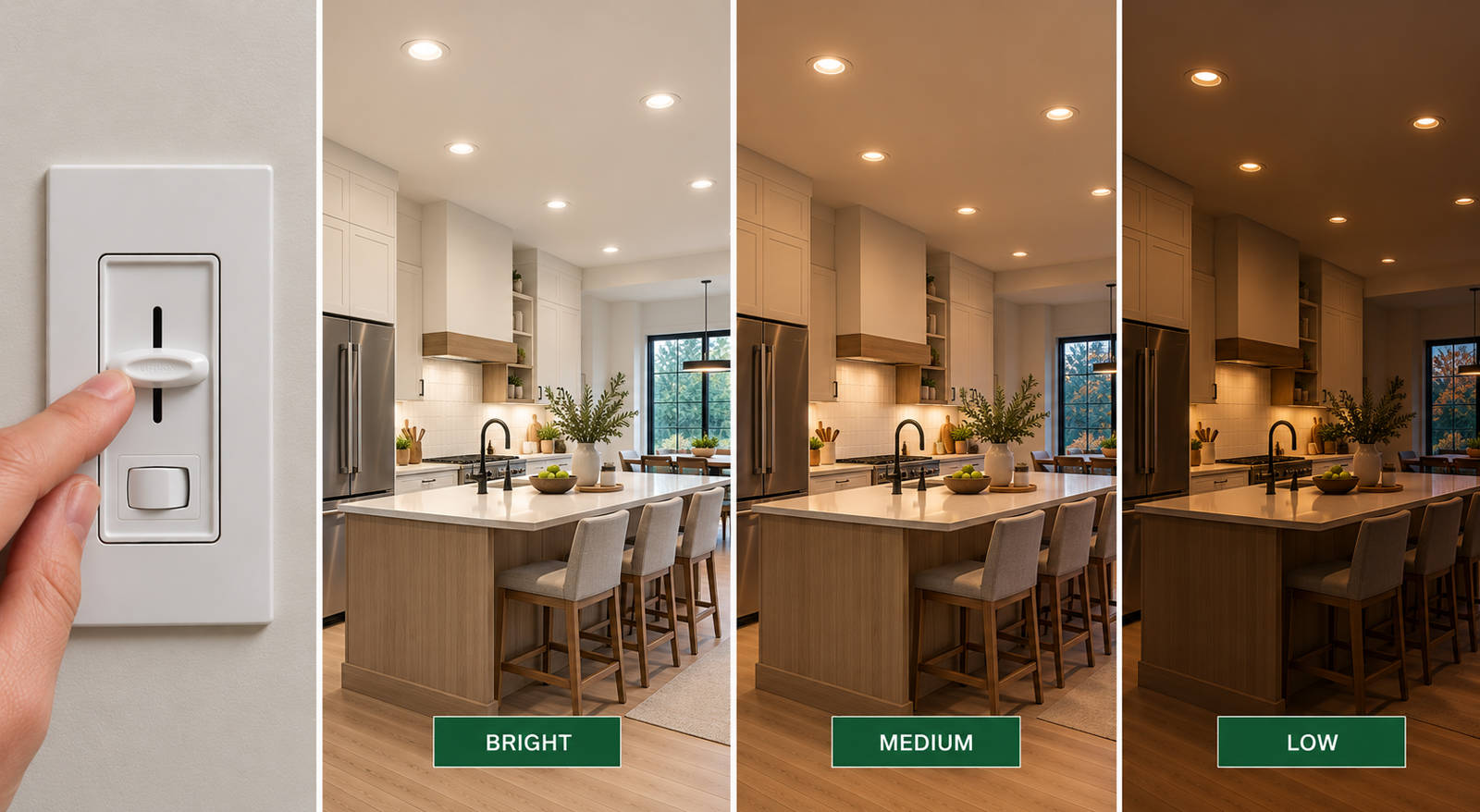
One of the easiest ways to make recessed lighting more useful is to add dimmer switches.
Think about your living room. You might want bright lighting when you’re cleaning or working on something, but softer lighting when you’re watching a movie.
Dimmers give you that flexibility without needing separate fixtures.
They’re also great in kitchens and dining rooms, where lighting needs can change throughout the day.
However, not every LED fixture works with every dimmer switch.
Using an incompatible dimmer can cause flickering, buzzing, or lights that don’t dim properly.
When planning pot light installation, make sure your electrician selects fixtures and dimmers that are designed to work together.
You might also want to consider separate lighting zones. For example, you could control the kitchen island lights independently from the rest of the kitchen.
That gives you more control without making things complicated.
What About the Electrical Requirements?
This is where professional experience really matters.
Pot lights might look simple once they’re installed, but they’re still part of your home’s electrical system.
Proper pot light installation involves more than connecting a few wires. Your electrician needs to consider the existing circuit, available electrical capacity, wiring methods, fixture ratings, and any required permits.
In British Columbia, electrical work must follow the applicable electrical safety requirements. You can learn more about electrical permits and installation requirements through Technical Safety BC.
The location of the fixtures matters as well. For example, lights installed in bathrooms or other damp areas may need fixtures rated for those conditions.
If your home is older, an electrician may also need to check the condition of the existing wiring before adding new lighting.
Getting these details right helps protect your home and ensures your new lights work safely and reliably.
Can You Install Pot Lights Yourself?
There are plenty of home improvement projects that are great for DIY enthusiasts. Electrical work deserves a little more caution.
Even if you’re comfortable using tools, recessed lighting installation can involve working around hidden wiring, insulation, and other systems inside your ceiling.
There’s also the question of permits and electrical code requirements.
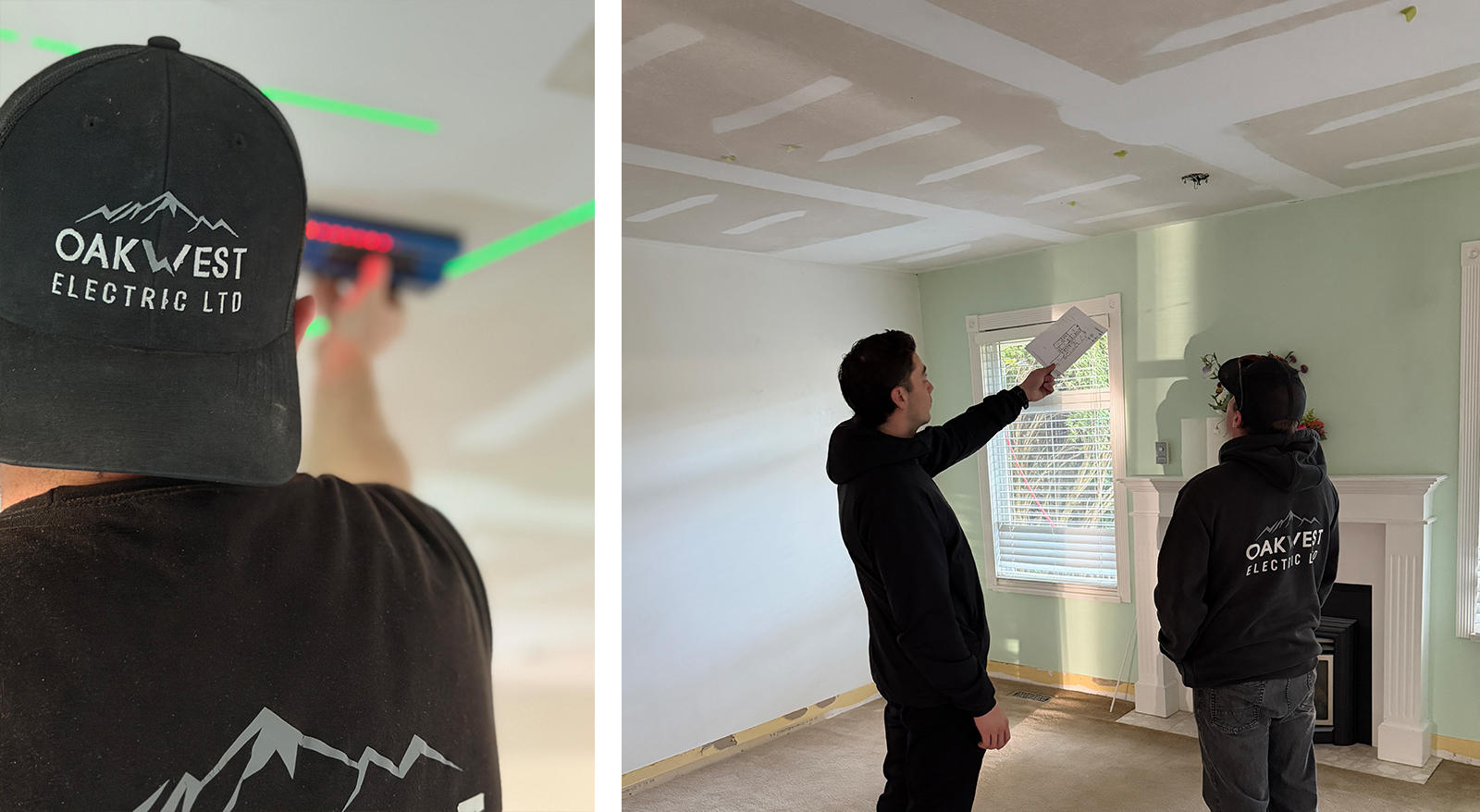
Hiring a qualified electrician means someone can assess your existing system, recommend suitable fixtures, and complete the wiring correctly.
It can also save you from frustrating mistakes, like cutting holes in the wrong places or discovering that your chosen fixtures won’t fit.
For homeowners considering pot light installation in Langley or the surrounding Fraser Valley, working with a local electrician also means having someone familiar with BC’s electrical requirements.
Good Lighting Starts With a Good Plan
Pot lights can completely change the feel of a room. They can make a kitchen more practical, a basement more welcoming, or a living room feel brighter and more open.
But the best results come from thinking through the details before installation begins.
Where should the lights go? How bright should they be? Will dimmers make the room more comfortable? And what does your existing electrical system need to support them?
These are all questions worth answering before the work starts.
Ready to Brighten Up Your Home?
At Oakwest Electric, we help homeowners in Langley and the surrounding Fraser Valley plan and install lighting that works for their homes.
Whether you’re renovating one room or updating lighting throughout your house, we’ll help you choose the right fixtures, plan the layout, and make sure everything is installed safely.
Thinking about pot light installation? Contact Oakwest Electric today. We’d be happy to talk through your ideas and help you get started.