Thinking about charging an electric vehicle at home—but not sure whether Level 1 or Level 2 charging is the better option? You’re not alone.
With more EVs on the road across BC, many homeowners are trying to understand how home charging actually works—and what setup makes the most sense for their lifestyle.
In this post, we’ll break down the difference between Level 1 and Level 2 EV charging in simple terms, including how fast they charge, what’s required for installation, and which option is right for your home.
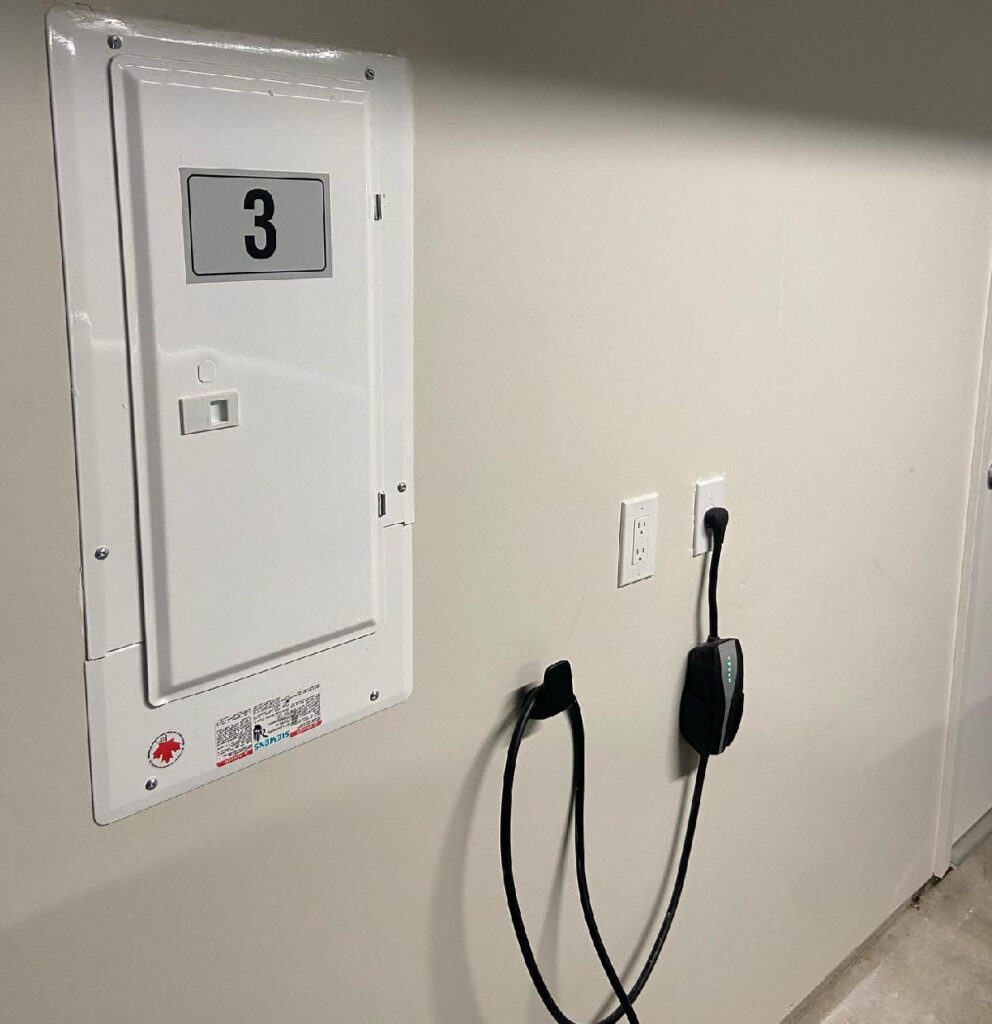
What Is Level 1 EV Charging?
Level 1 charging is the most basic way to charge an electric vehicle. It uses a standard 120-volt household outlet—the same kind you’d plug a lamp or toaster into.
Most EVs come with a Level 1 charging cord, so there’s no special equipment required to get started. You simply plug into a regular outlet and charge your vehicle.
Level 1 charging is typically:
- Slow (about 5–8 km of range per hour of charging)
- Convenient for occasional or low-mileage driving
- Easy to use with no installation required
For some homeowners, Level 1 is enough—especially if:
- You drive short distances daily
- You can charge overnight consistently
- You have only one EV and minimal charging demand
However, the biggest limitation is speed. A full charge can take 24 hours or more depending on the vehicle and battery size.
Think of Level 1 as a trickle charge—it works, but it’s not designed for high-demand or fast turnaround.
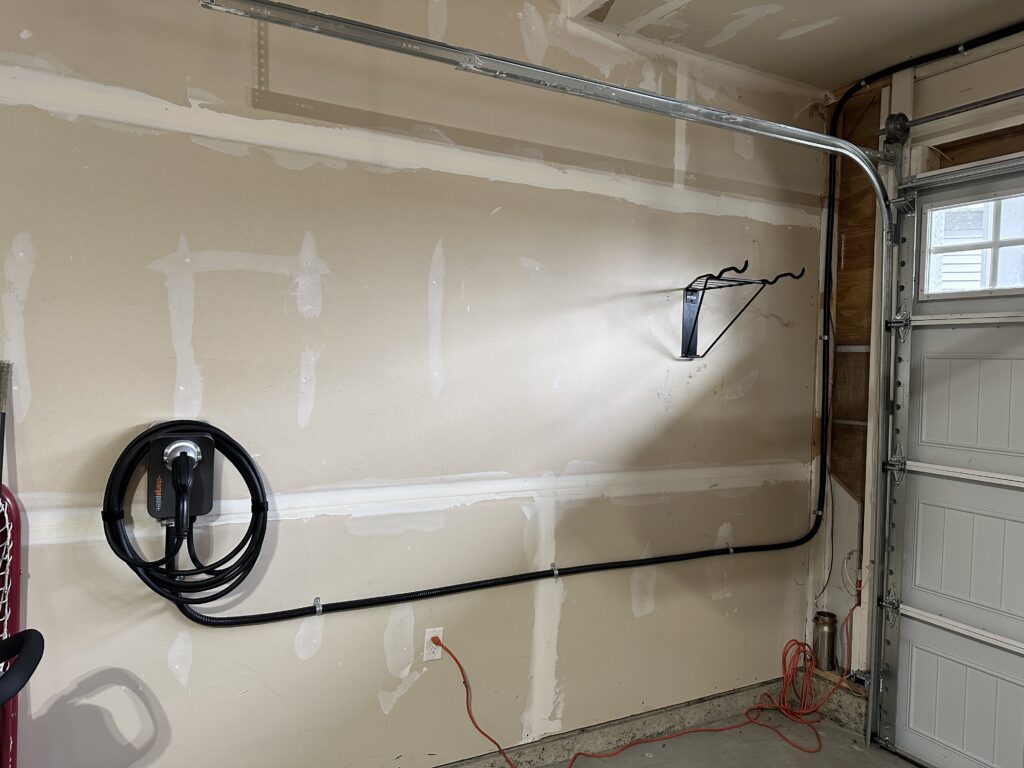
What Is Level 2 EV Charging?
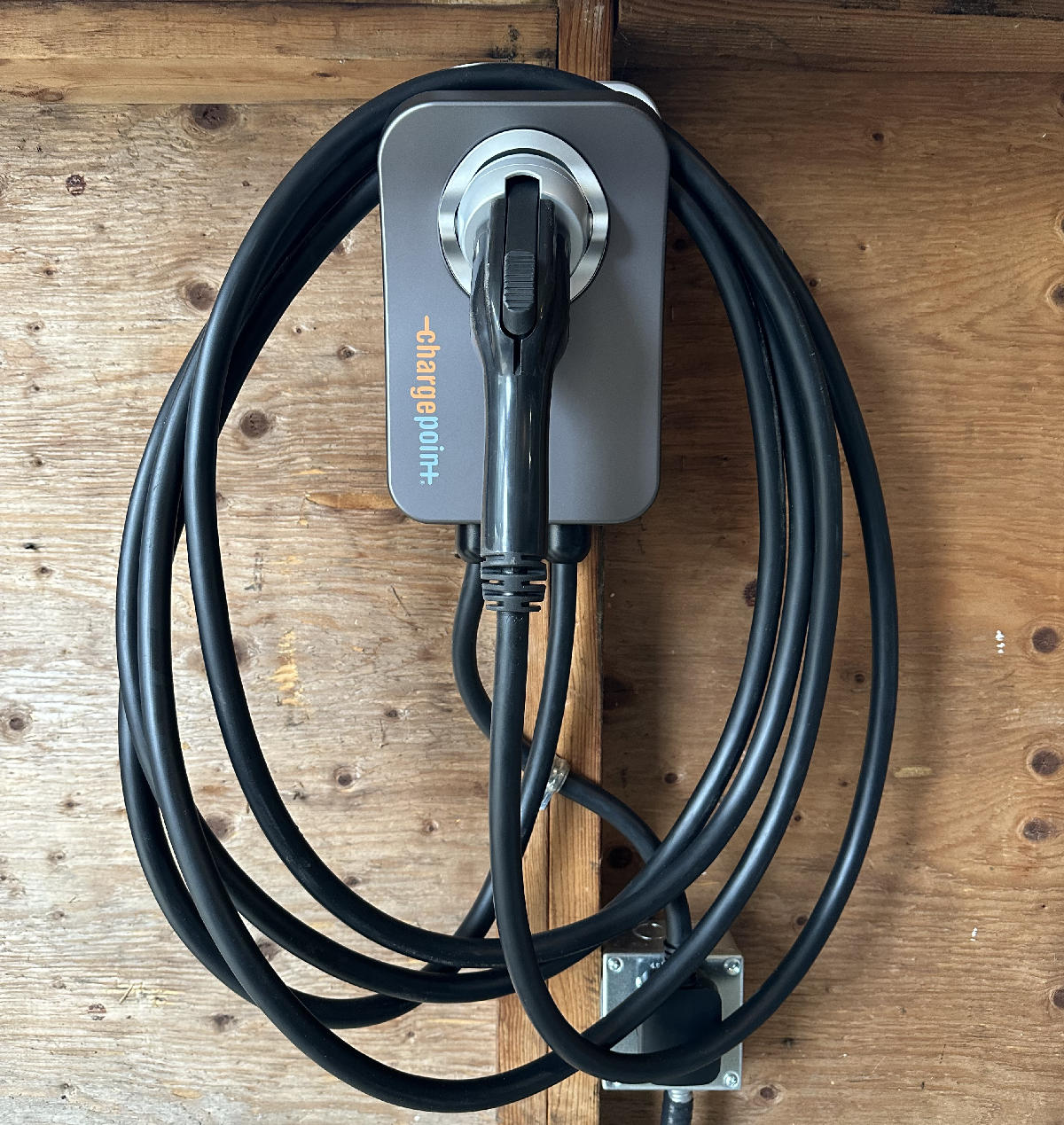
Level 2 charging uses a 240-volt power supply—the same type used for large appliances like dryers or ovens. This requires a dedicated circuit and a professionally installed EV charger.
Level 2 charging is significantly faster and more practical for everyday use. It typically provides:
- 30–60 km of range per hour of charging
- Full overnight charging for most EVs
- Reliable performance for daily driving needs
Installing a Level 2 charger usually involves:
- Running a dedicated 240V circuit from your electrical panel
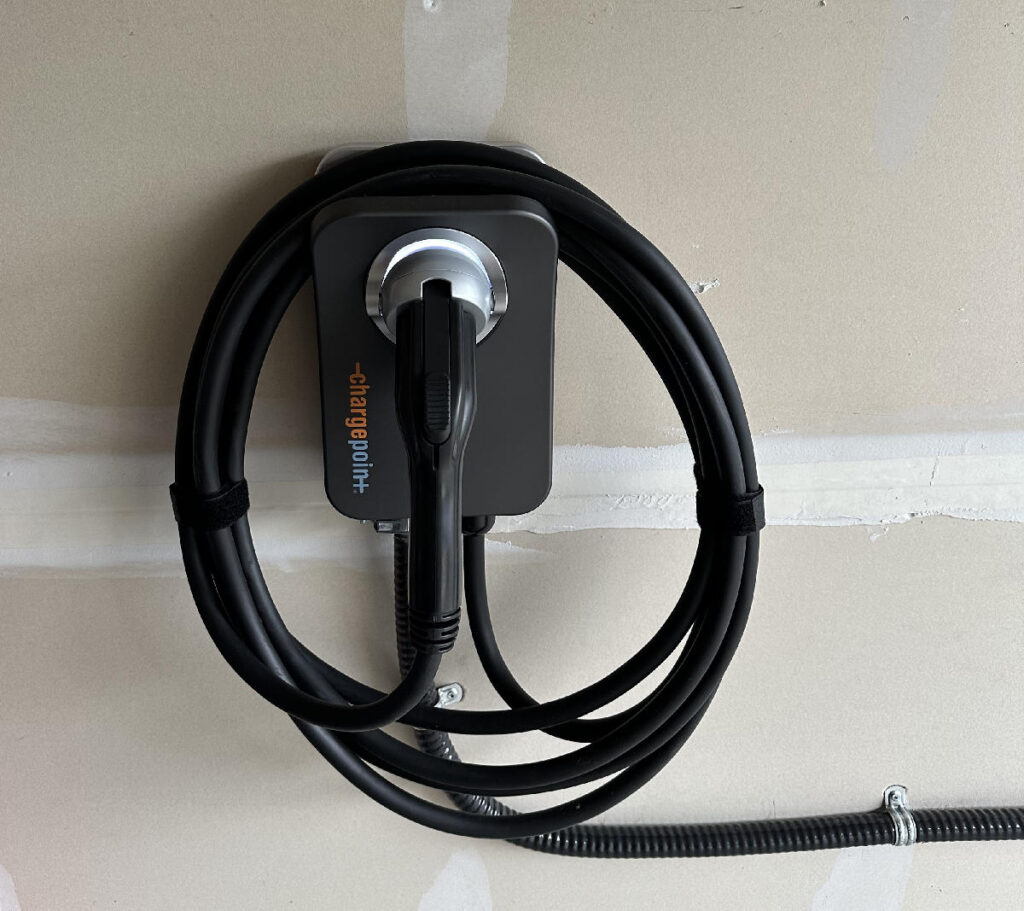
- Installing a wall-mounted charging unit
- Ensuring your panel has enough capacity to support the load
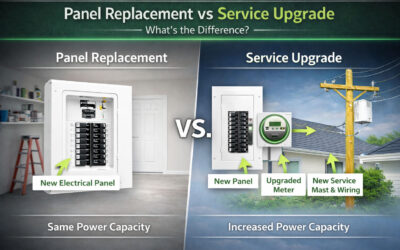
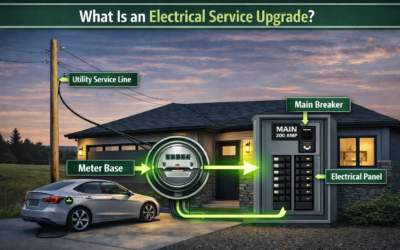
In some cases, especially in older homes, a service upgrade may be required to safely support EV charging. Fortis BC provides a helpful EV charging comparison right here.
Which One Is Right for Your Home?
For most homeowners, the choice comes down to how you actually use your vehicle—and how convenient you want charging to be. If your daily driving is minimal and you have plenty of time to charge overnight, Level 1 can work as a simple, no-installation solution.
But for most EV owners,Level 2 becomes the preferred option once they experience the convenience of faster charging. You may also be eligible for BC Hydro’s EV Charger Rebate Program.
Why Electrical Capacity Matters
Installing a Level 2 EV charger means your panel capacity, available breaker space, and overall service size all come into play. In many newer homes, adding a Level 2 charger is straightforward. In older homes, it may require upgrades to ensure everything is safe and compliant with current code.
If you’re planning to install a home EV charger, the most important step isn’t choosing the charger—it’s making sure your electrical system can safely support it.
That’s where expert guidance makes all the difference. At Oakwest Electric, we assess your current electrical capacity, recommend the right charging solution for your needs, and handle the EV charger installation from start to finish—ensuring everything is safe, code-compliant, and ready for long-term use. Contact us today to get started.