
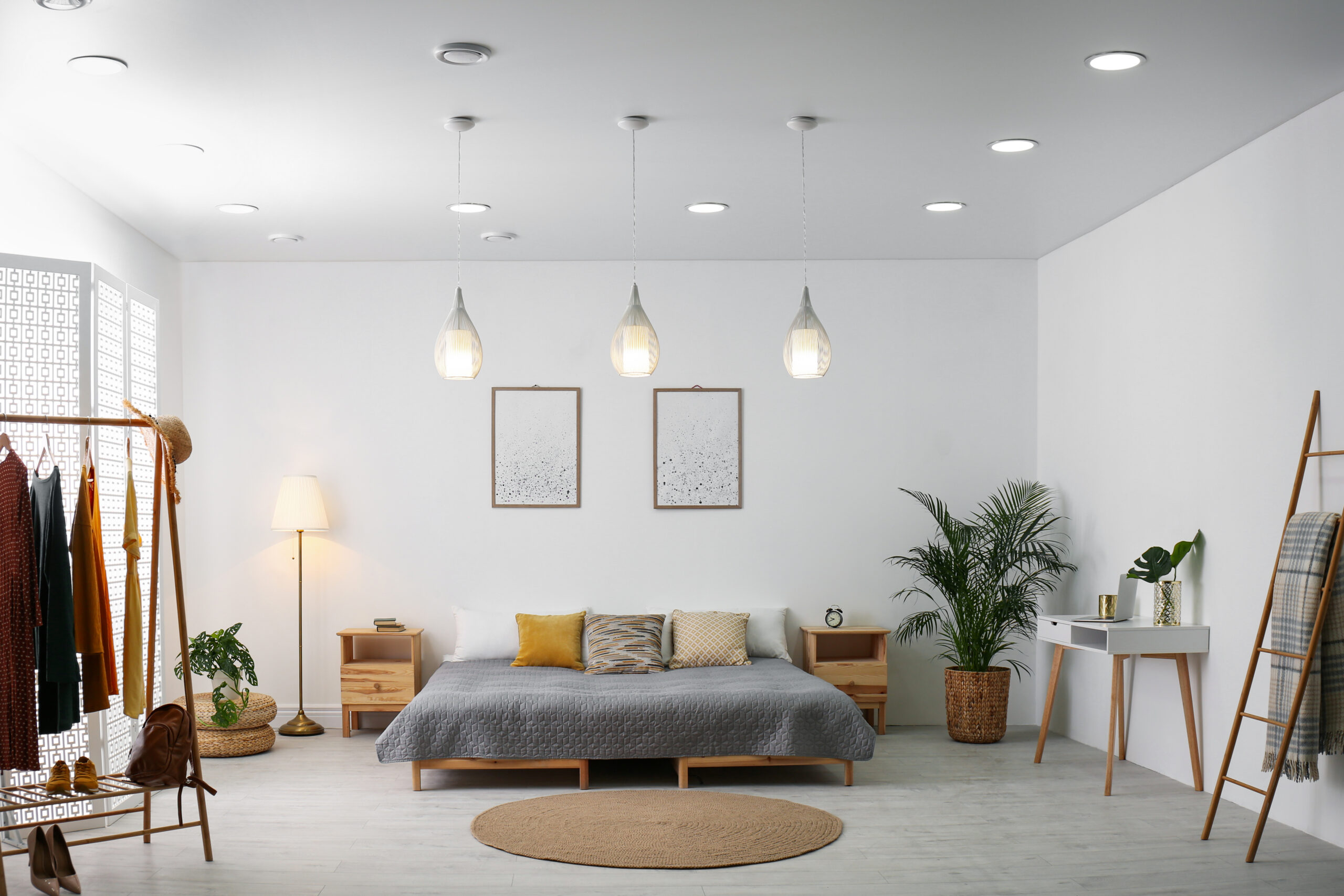
When people start planning a renovation or custom build, the phrase smart lighting system usually comes up at some point.
Sometimes it’s because they want app control. Sometimes it’s voice commands. Sometimes it’s just, “We don’t want the house to feel outdated in five years.”
All reasonable.
But here’s the part we always slow down and talk through: a smart lighting system isn’t just about control. It’s about the quality of the light itself, how it integrates with the home, and whether it was designed properly from the beginning.
That’s where the conversation gets more interesting.
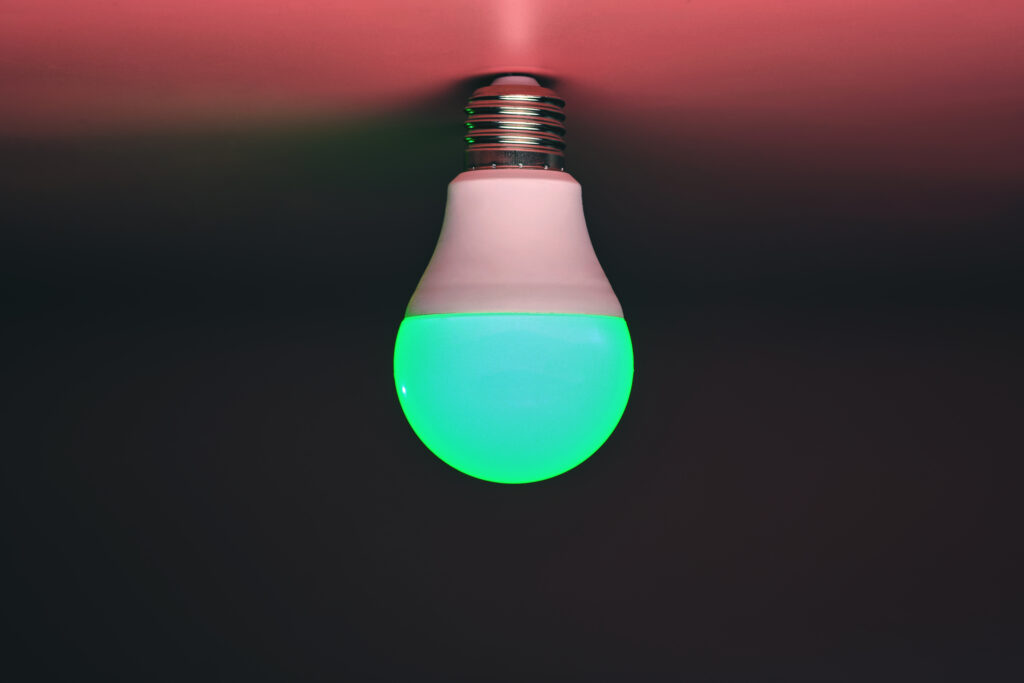
Smart Is Easy. Good Lighting Is Harder.
You can buy “smart” bulbs almost anywhere now. Screw them in, connect them to Wi-Fi, and you technically have a smart lighting system.
But when clients say they want something elevated, they’re usually not talking about light bulbs. They’re talking about how their home feels in the evening. How it looks when guests walk in. Whether the ceilings look clean and intentional instead of dotted with generic fixtures.
That’s a different level of planning.
When we design a smart lighting system, we’re thinking about layout, trim style, dimming performance, and long-term reliability. The control side is important, but it’s only half the story.
Let’s Talk About Dimming (Because It Matters)
Most LED lights dim. Technically.
But you’ve probably experienced this: you lower the lights, and instead of feeling warm and relaxed, the room just feels dimmer… and slightly harsh. The colour doesn’t change. Sometimes there’s a flicker. Sometimes it cuts off before it gets truly low.
This is where premium fixtures from Lutron stand out.
They’re known for “dim-to-warm” performance. As the lights dim, the colour temperature shifts warmer. It mimics what incandescent bulbs used to do naturally. Bright and crisp during the day. Soft and amber in the evening.
That detail changes the entire feel of a room.
In a properly designed smart lighting system, you don’t just adjust brightness. You adjust mood. Morning routines feel different from late-night wind-down time. Entertaining feels different from quiet family evenings.
You don’t need to understand colour temperature numbers to appreciate it. You just notice that it feels right.
The Ceiling Is Part of the Design
Here’s something most homeowners don’t think about until drywall is up: the ceiling is one of the largest visual surfaces in your home.
Recessed lights can either blend in beautifully… or look like afterthoughts.
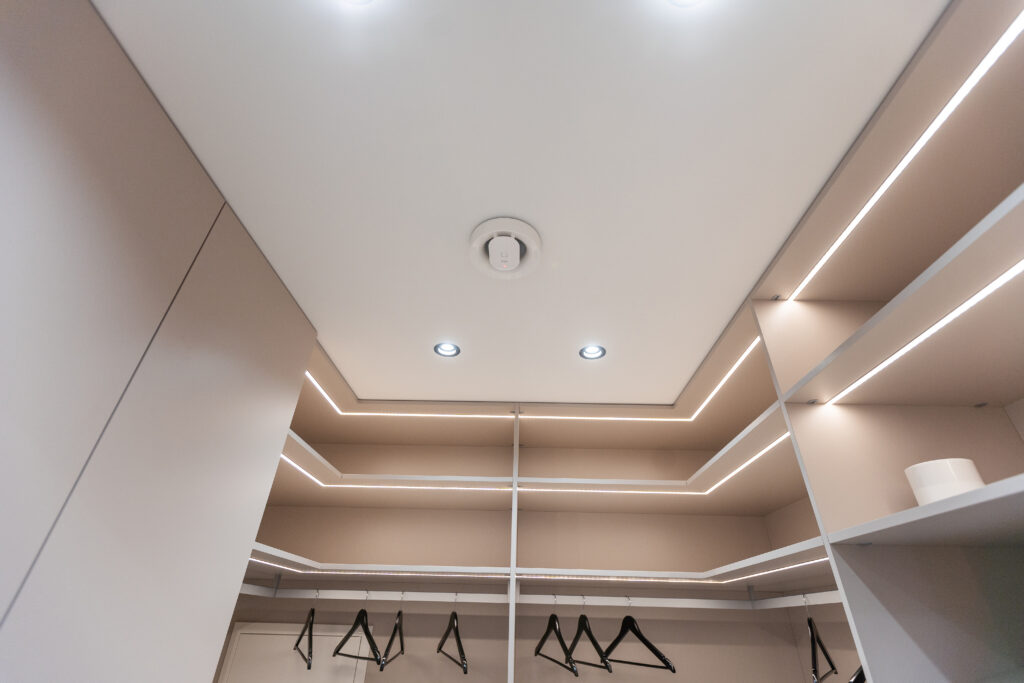
Premium architectural fixtures give you options. Round or square apertures. Subtle trimmed styles. Or trimless installations that sit completely flush with the ceiling.
Trimless is especially popular in modern builds around Langley and Surrey. When installed correctly, the fixture almost disappears. Clean lines. No visual clutter.
But it only works if it’s planned early. Housing placement, drywall coordination, spacing — all of that affects the final result.
A well-designed smart lighting system doesn’t just light the room. It respects the architecture.
And that’s something you feel every time you look up.
Integration Isn’t Optional
Control systems matter.
A true smart lighting system should feel seamless. Press a button for “Evening,” and the lights respond smoothly. No delays. No awkward jumps in brightness. No fixtures behaving differently from one another.
This is why integration matters so much.
Fixtures designed to work directly with systems like RadioRA 3 or HomeWorks behave predictably because they were engineered together.
When hardware and controls come from different manufacturers, it can work, but it’s rarely perfect. The dimming curve might feel off. The lowest dim level might not be usable. Scenes might not look exactly like you imagined.
With an integrated approach, your smart lighting system becomes consistent and reliable. And reliability is what makes automation enjoyable instead of frustrating.
This Isn’t Plug-and-Play
We say this upfront because it saves confusion later.
Premium fixtures are not big-box lights you swap in at the end of a project. They require proper housings, correct spacing, thoughtful load calculations, and coordinated programming.
If you’re installing a full smart lighting system, panel capacity and circuit planning matter. Keypad locations matter. Control zones matter.
It’s a system.
That’s usually the biggest shift for homeowners. Lighting stops being a collection of fixtures and becomes part of the electrical and automation strategy.
And once you look at it that way, it makes more sense to plan it early instead of squeezing it in later.
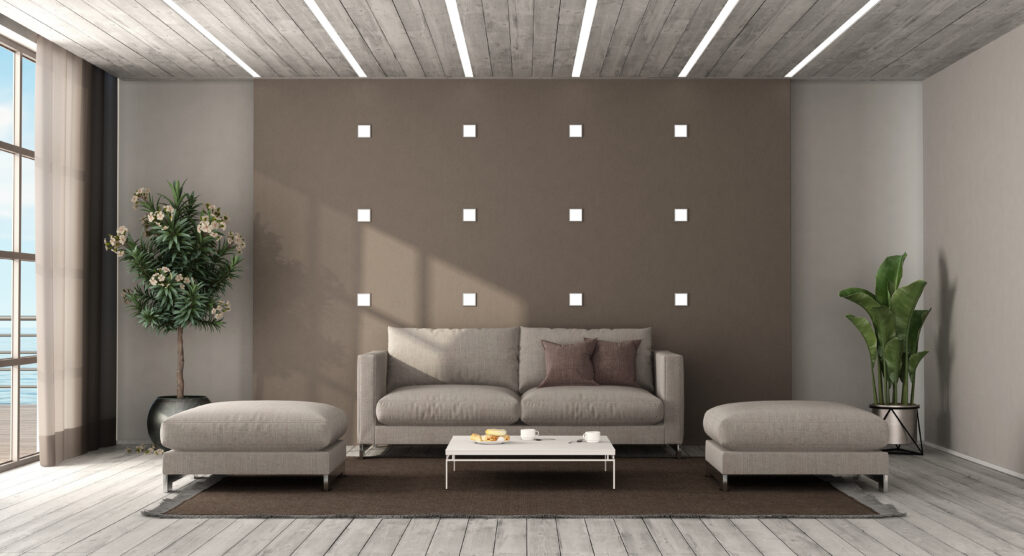
Is It Worth It?
We don’t assume every project needs high-end architectural fixtures.
If you’re finishing a small basement or upgrading a room or two, a simpler setup might make perfect sense.
But if you’re building a custom home or doing a major renovation, your smart lighting system will be something you interact with every single day.
Morning coffee. Homework at the island. Movie nights. Holiday dinners. Late-night kitchen runs.
If the lighting feels harsh or inconsistent, you’ll notice. If the trim looks misaligned or bulky, you’ll see it.
If it feels calm, warm, and intentional, you might not consciously think about it — but you’ll appreciate it.
That’s usually the tipping point in the conversation.
Planning for the Long Game
A smart lighting system isn’t just about what looks good today. It’s about scalability and longevity.
Technology changes. Homeowners add features. Maybe you add motorized shades later. Maybe you expand automation to other parts of the house.
Starting with a solid foundation makes expansion easier. It also protects your investment.
We’ve seen homes where lighting was pieced together over time, and the result feels disjointed. Different colour tones. Inconsistent dimming. Multiple apps.
When it’s designed cohesively from the start, everything feels intentional.
And that’s the goal.
What We Usually Tell Clients
If you’re thinking about a smart lighting system, here’s the honest advice:
Don’t focus only on the app.
Don’t leave fixture selection until the end.
Don’t assume all dimming is the same.
Look at the quality of the light. Look at how it integrates. Look at how it fits your architecture.
Then decide what level makes sense for your home.
Sometimes that means a straightforward setup. Sometimes it means premium architectural fixtures with full integration.
Either way, it’s better to have the conversation before drywall goes up.
Because once ceilings are finished, changes get expensive.
A smart lighting system should feel effortless. Warm when it needs to be warm. Clean when it needs to be clean. Invisible in the ceiling and intuitive on the wall.
When those pieces come together, the technology fades into the background.
And your home just feels good.
Ready to design a smart lighting system that actually feels right? Let’s walk through your options.